






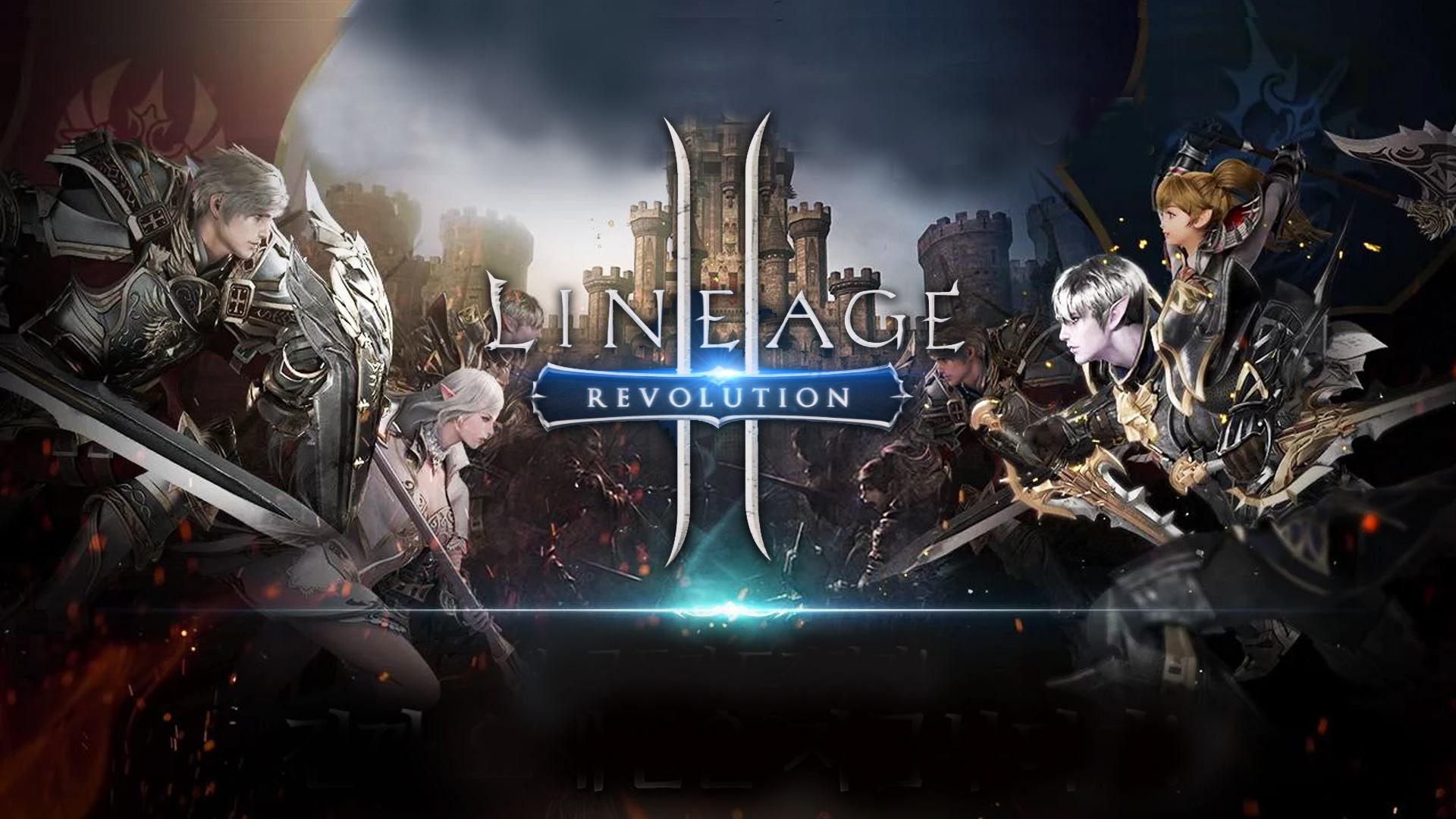
Lineage 2: Revolution
- LQA
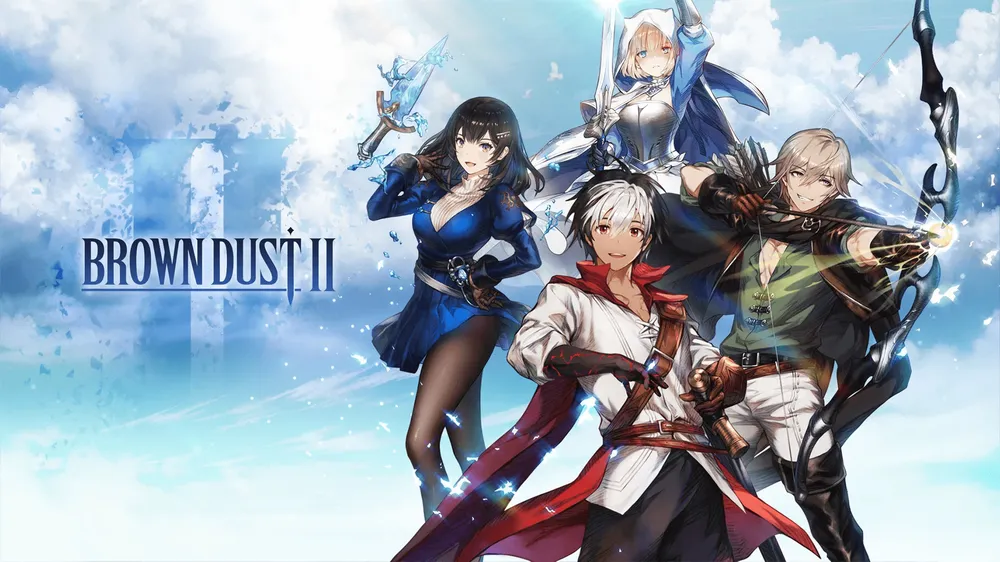
BrownDust2
- LQA
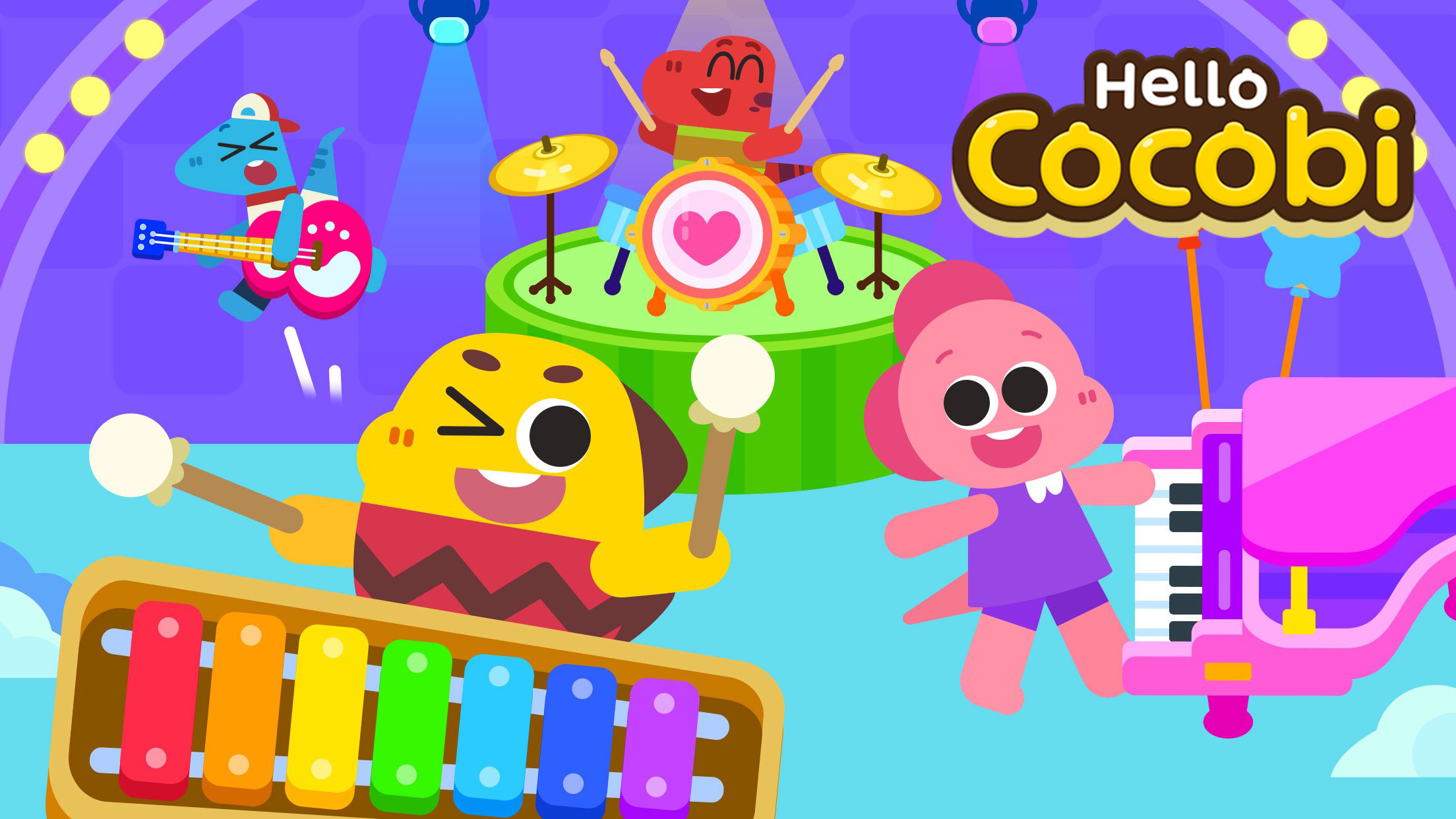
Cocobi World
- QA
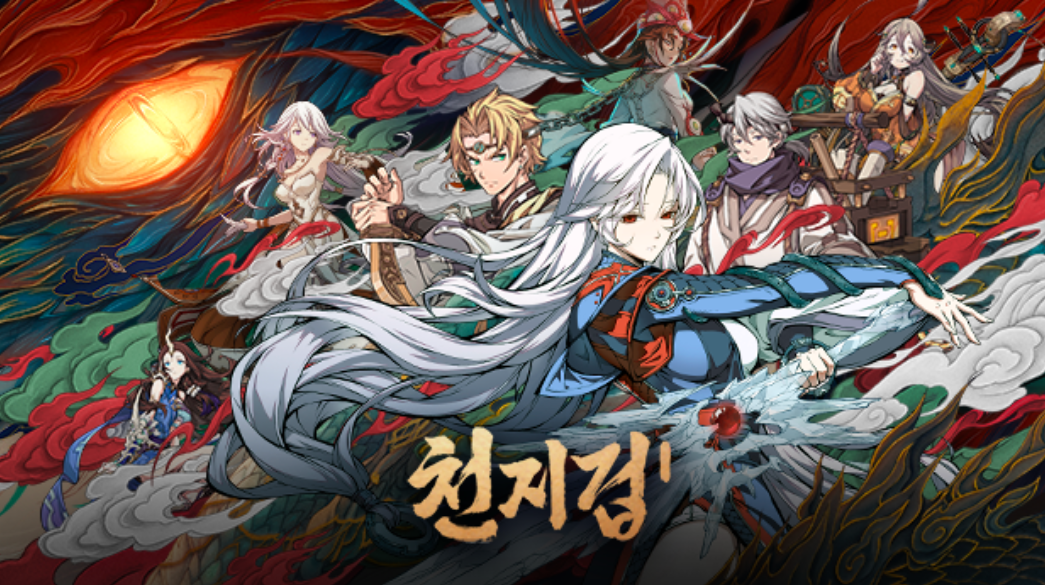
TEN CHI GOU
- Sound
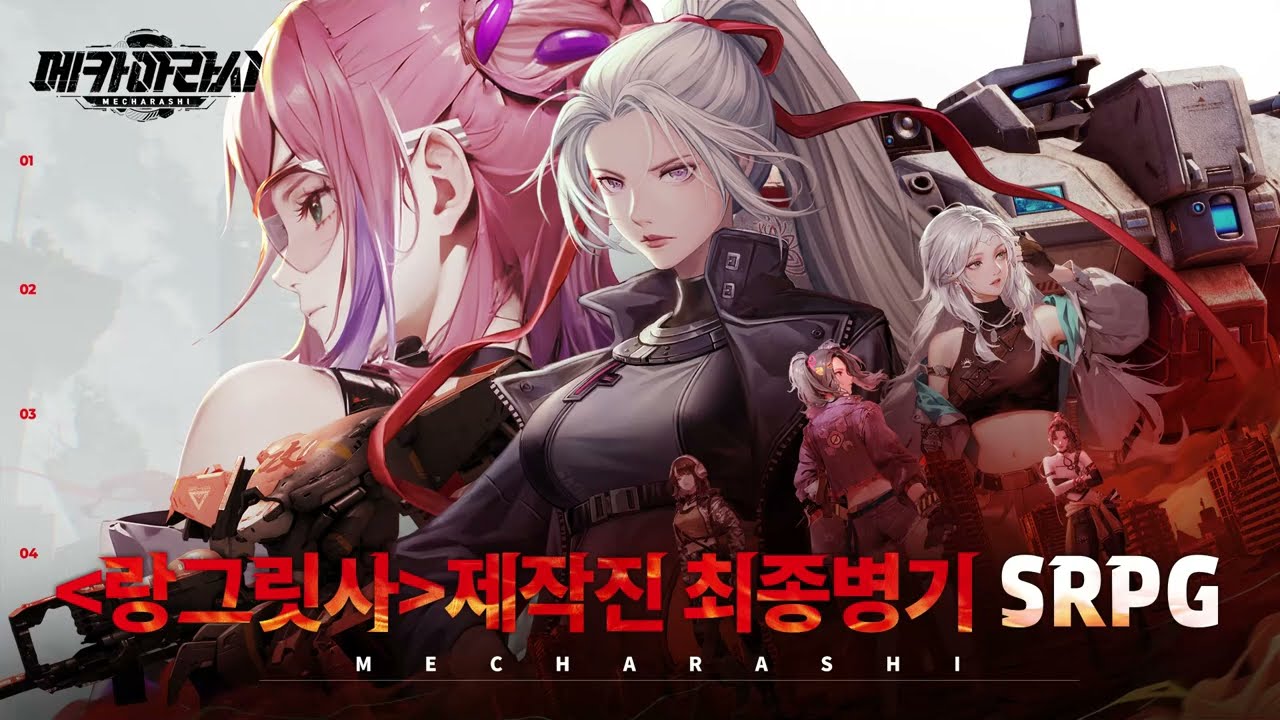
Mecharashi
- Sound
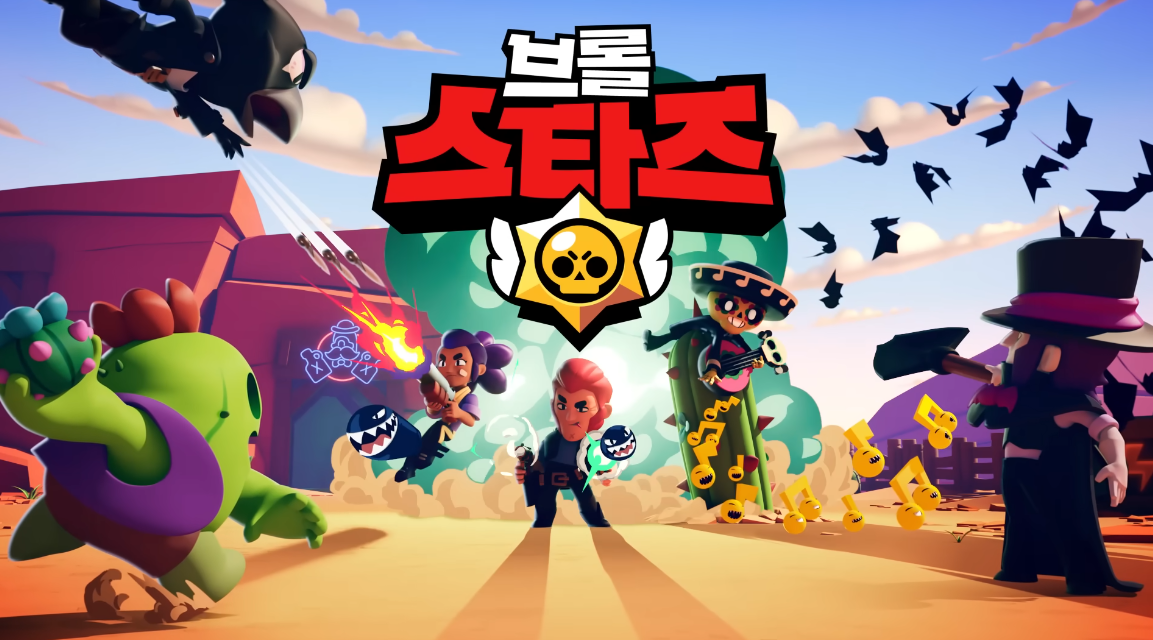
Brawl Stars pv
- Sound
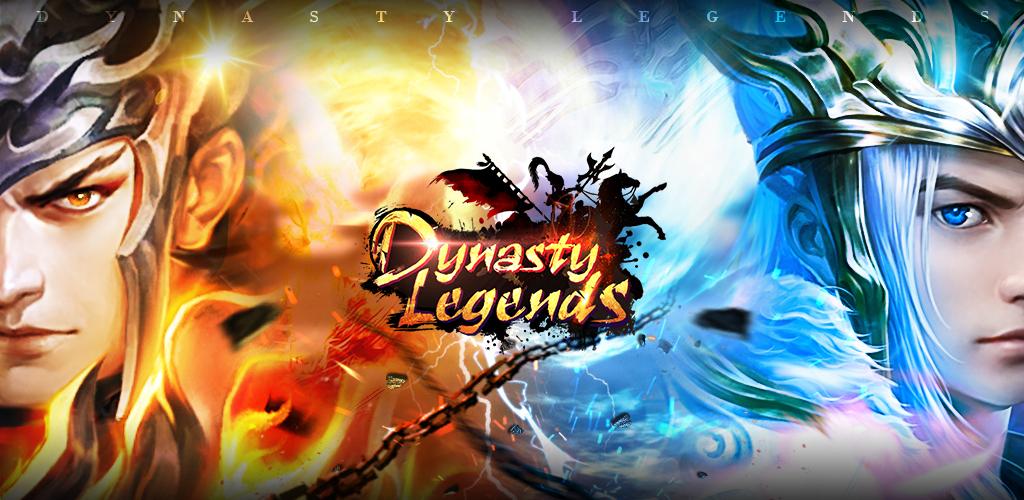
Geukmussang2
- Sound
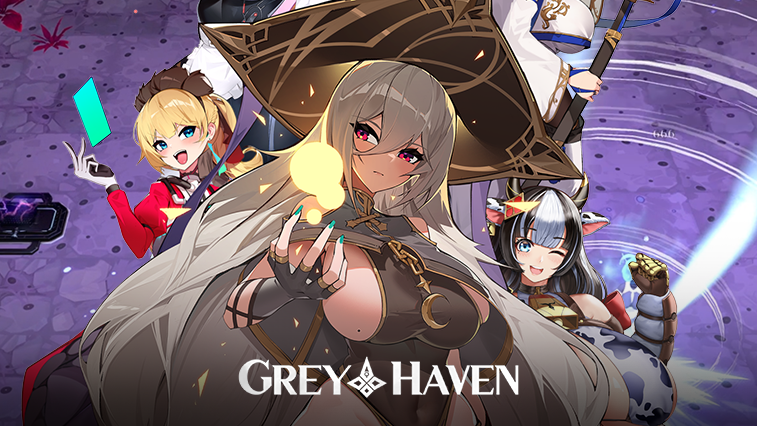
Gray Haven : Witch’s Garden
- Sound
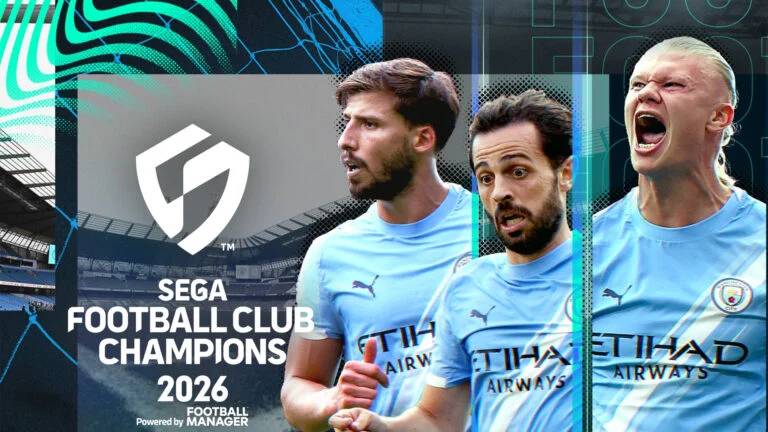
SEGA FOOTBALL CLUB CHAMPIONS 2026
- QA
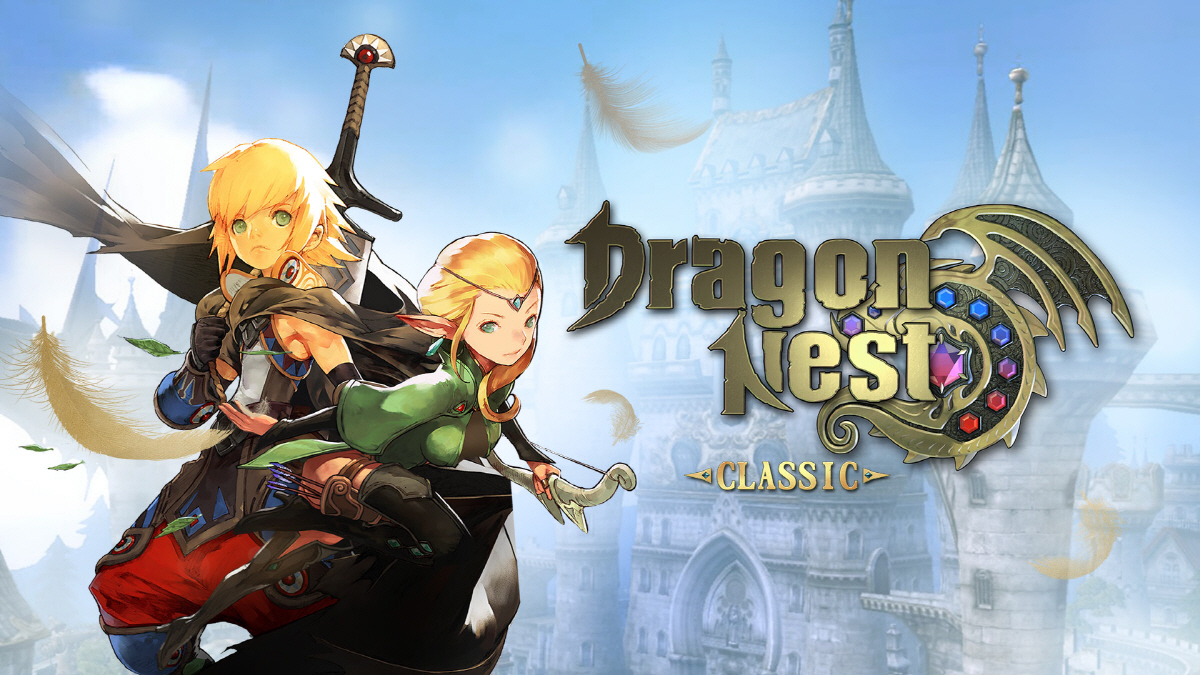
DragonNest
- Marketing
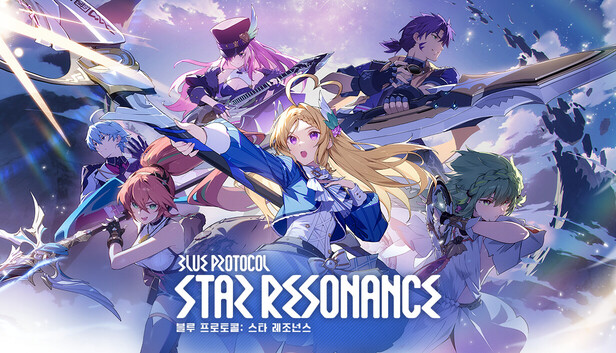
Blue Protocol: Star Resonance
- LQA
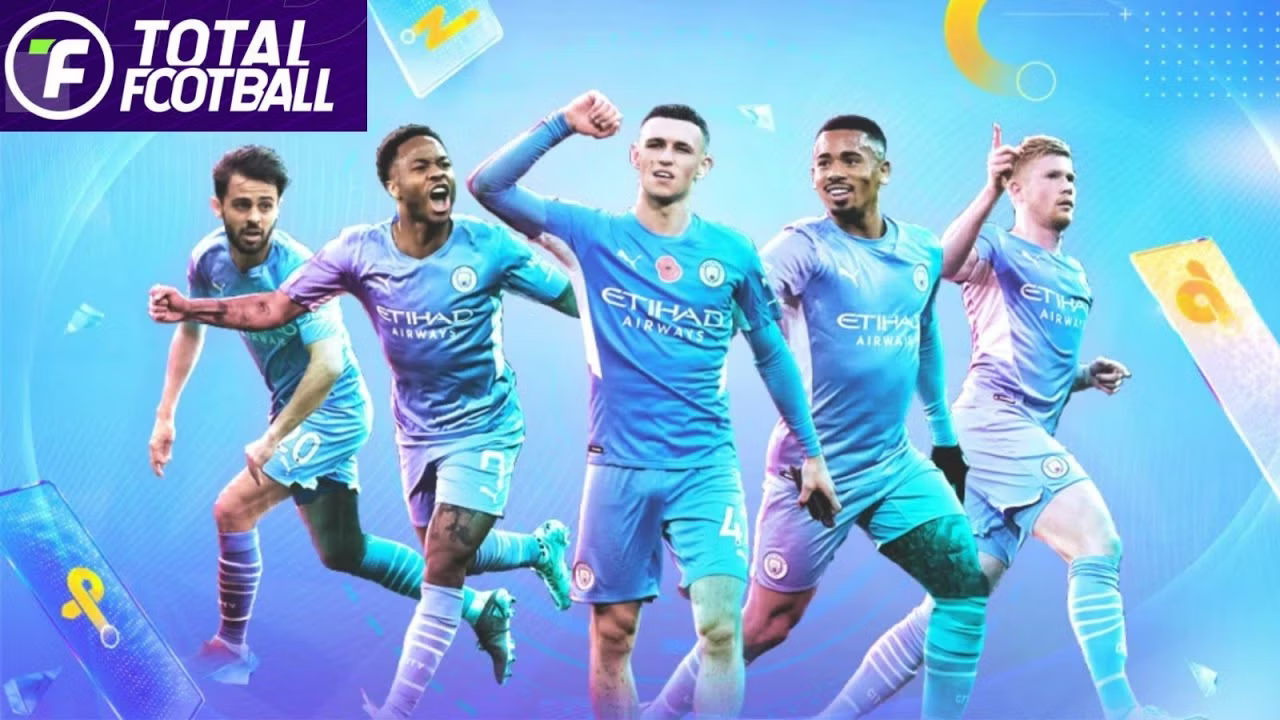
Total Football
- LQA, Marketing
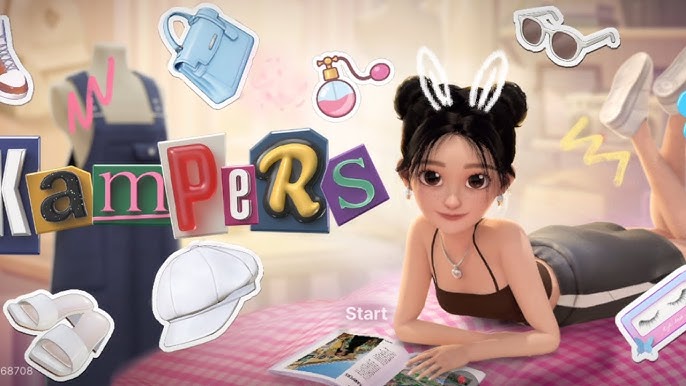
Kampers
- Localization
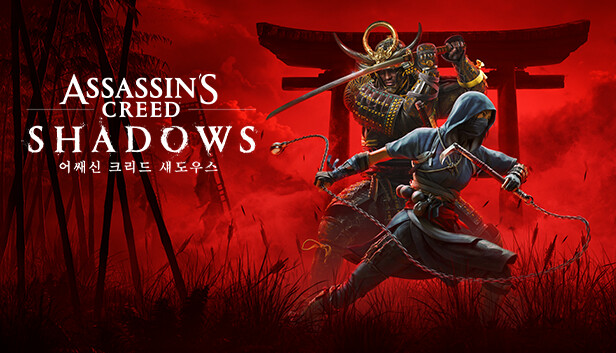
Assassin’s Creed Shadows
- Localization
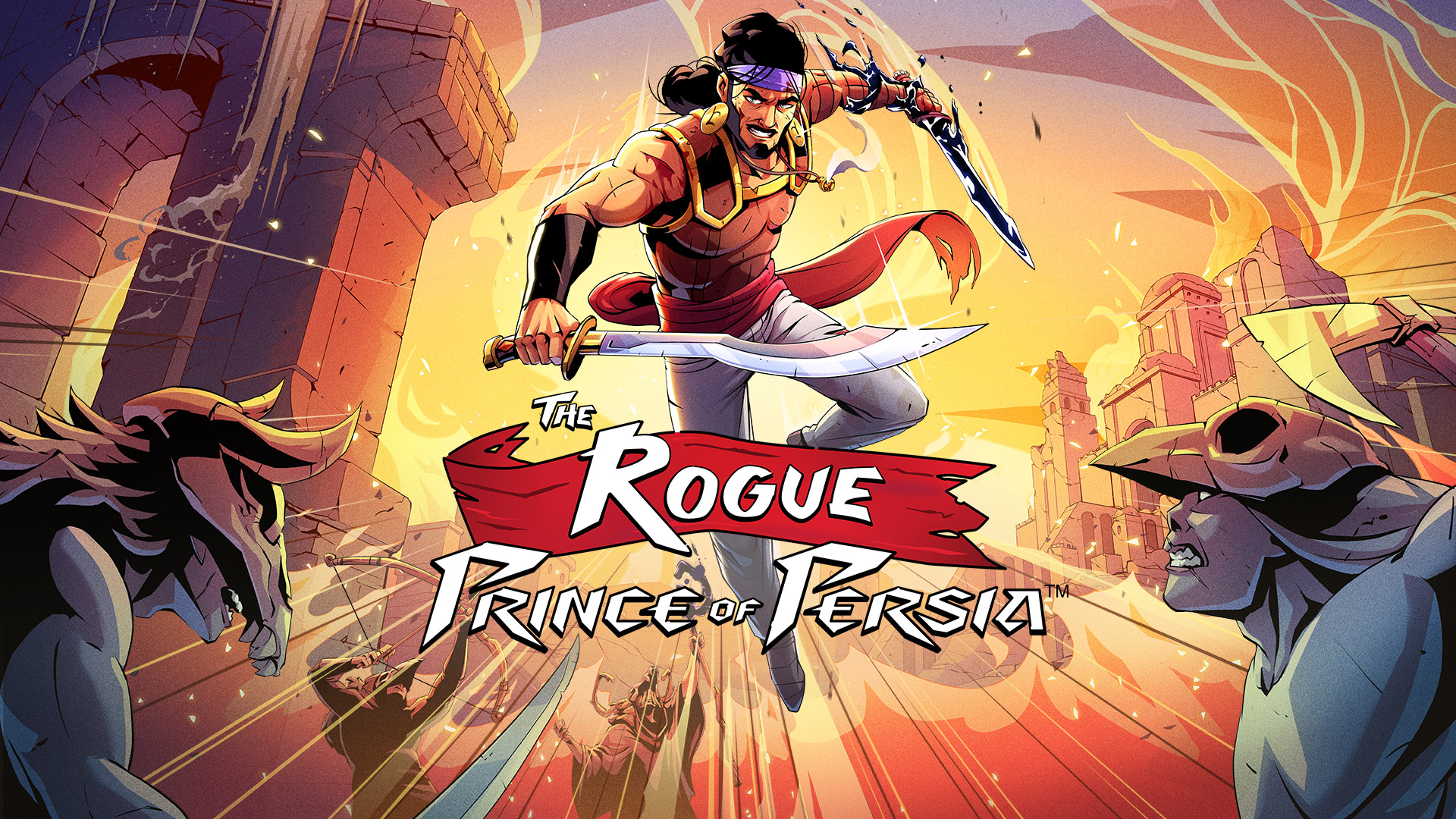
The Rogue Prince of Persia
- Localization
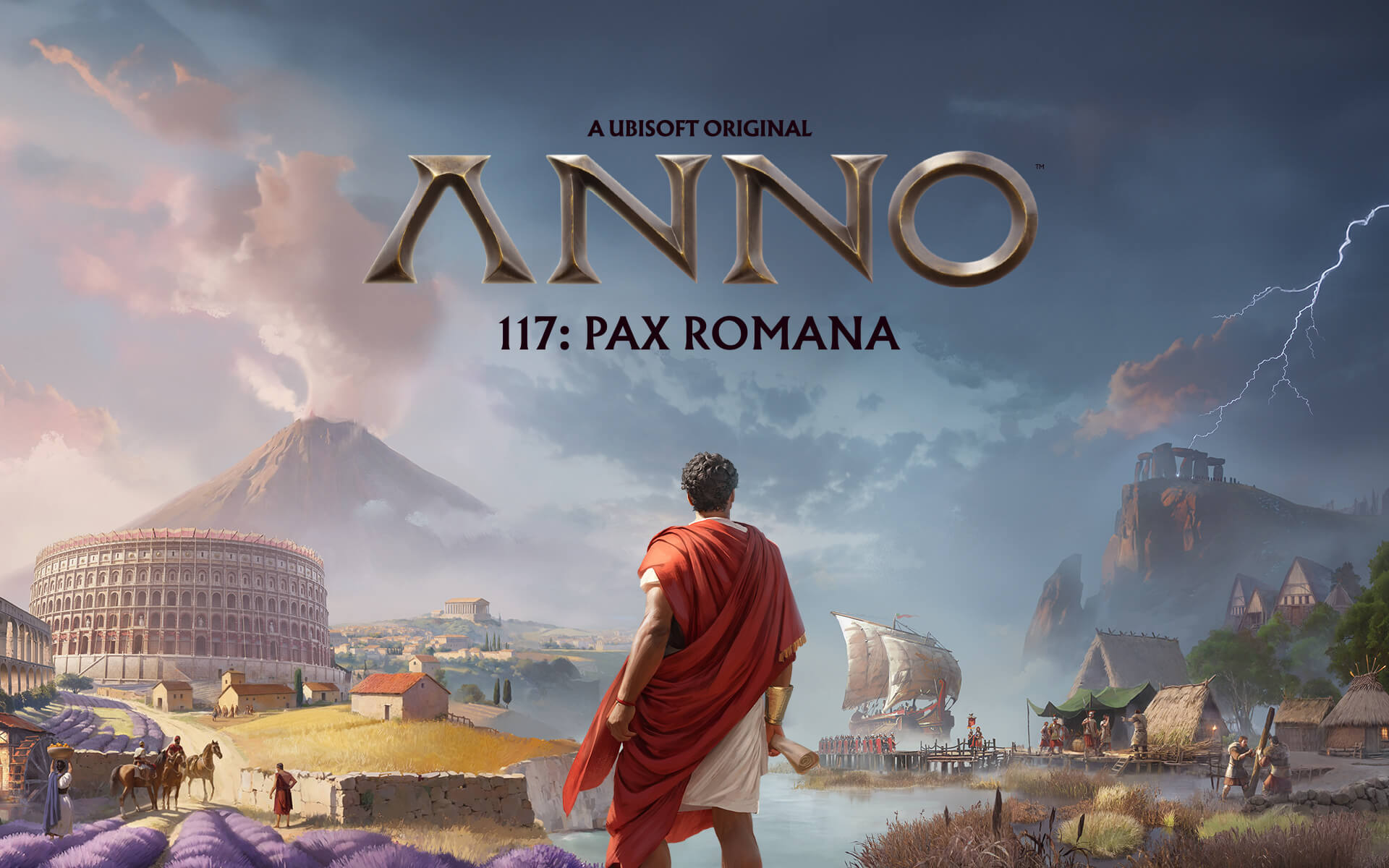
Anno 117: Pax Romana
- Localization
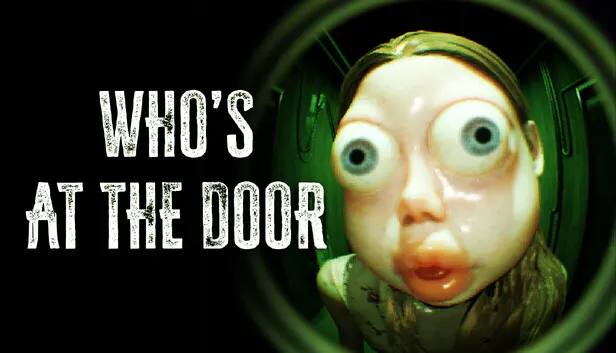
Who’s at the Door
- Localization
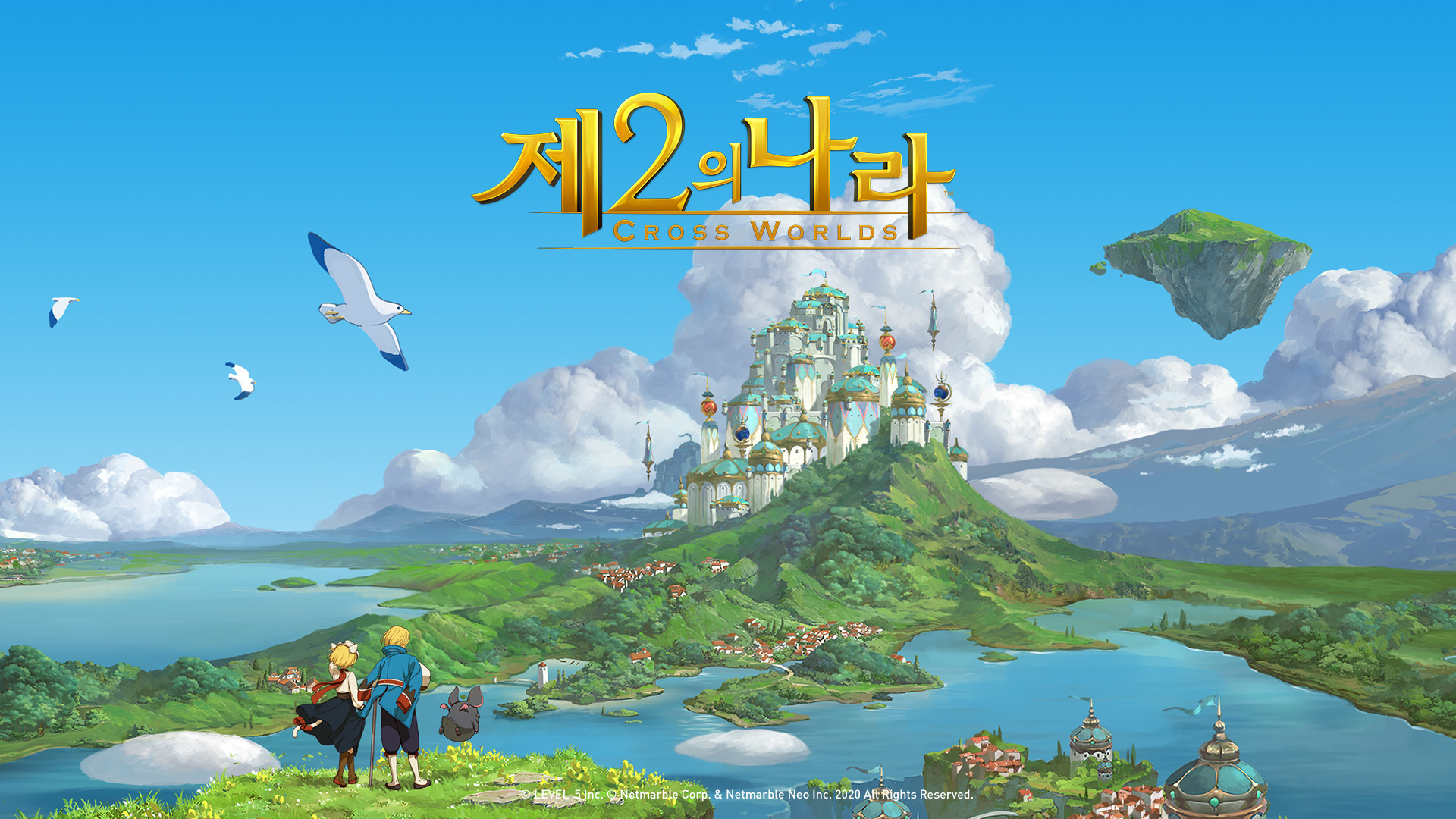
Ni no Kuni: Cross Worlds
- Localization, LQA
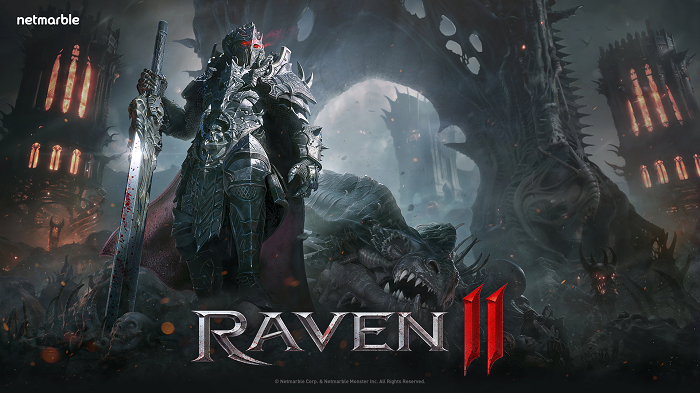
RAVEN 2
- Localization, LQA
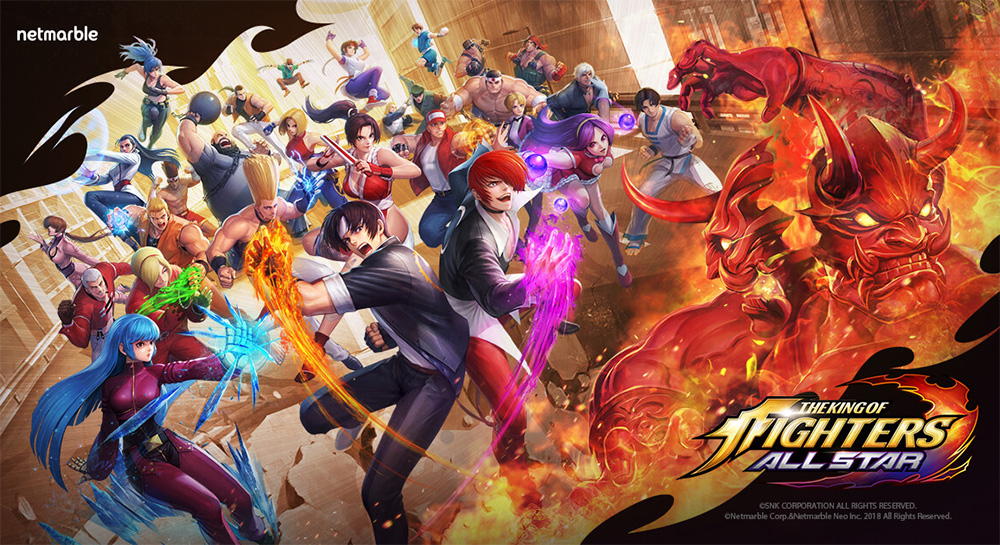
The King of Fighters ALL STAR
- Localization
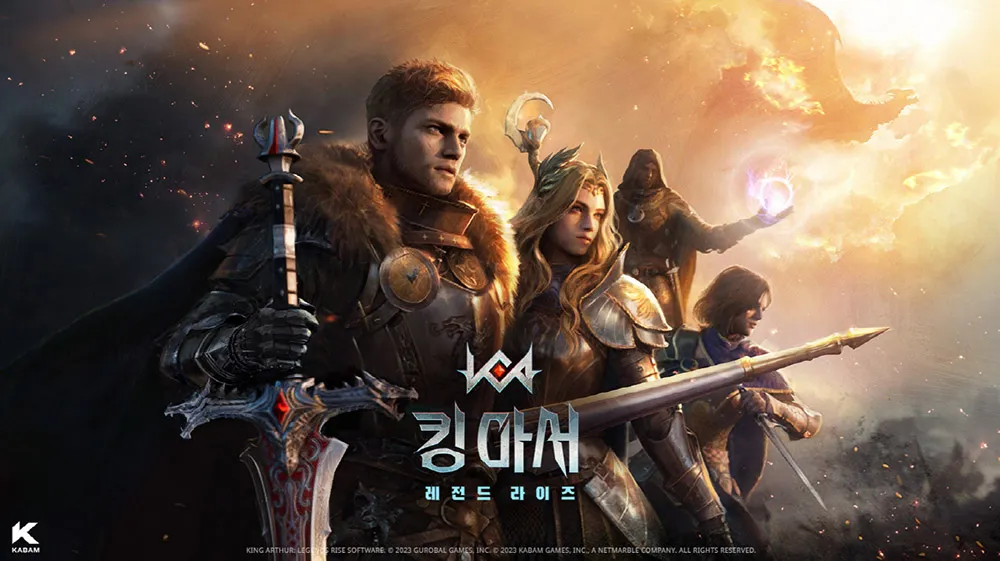
King Arthur: Legend Rises
- Localization
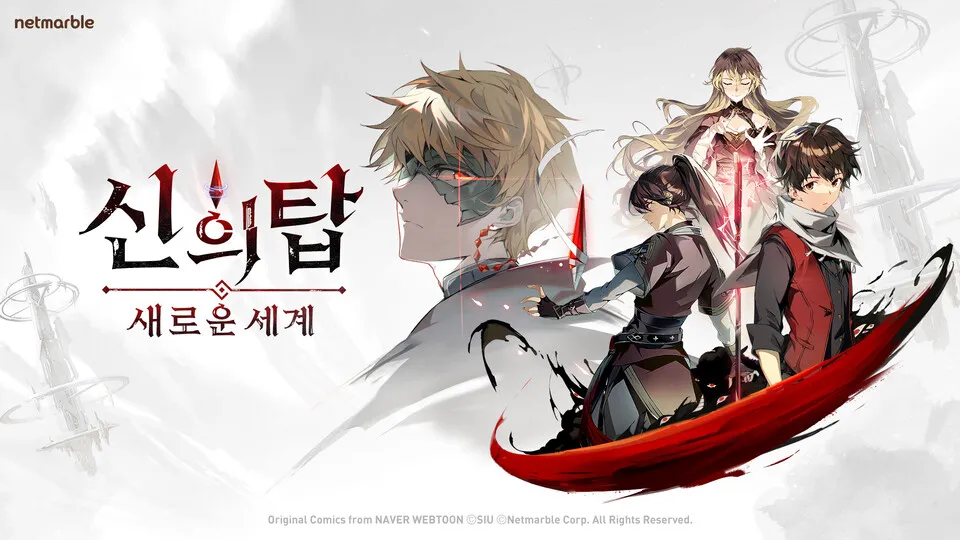
Tower of God: New World
- Localization, LQA
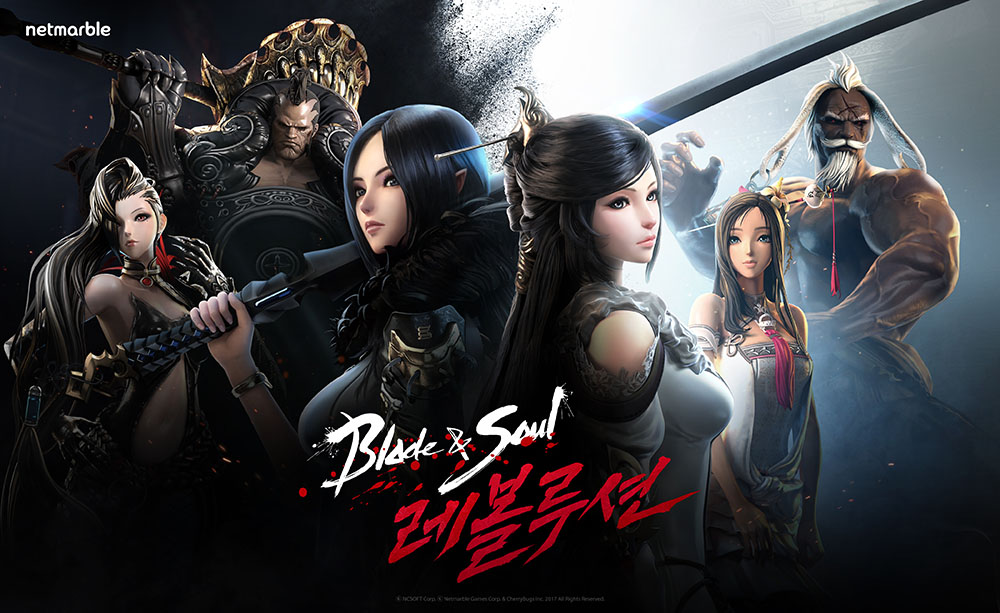
Blade & Soul Revolution
- Localization
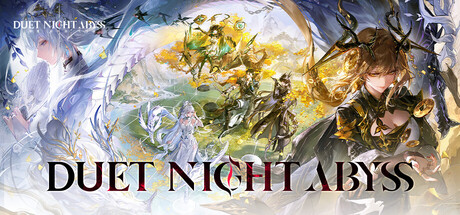
Duet Night Abyss
- Localization
Legend of Avatar
- Localization
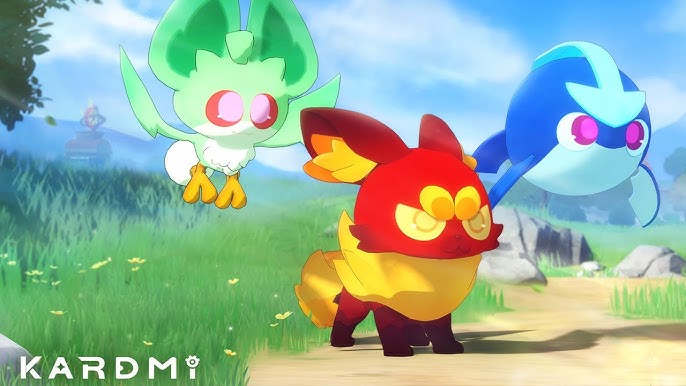
Kardmi
- Localization
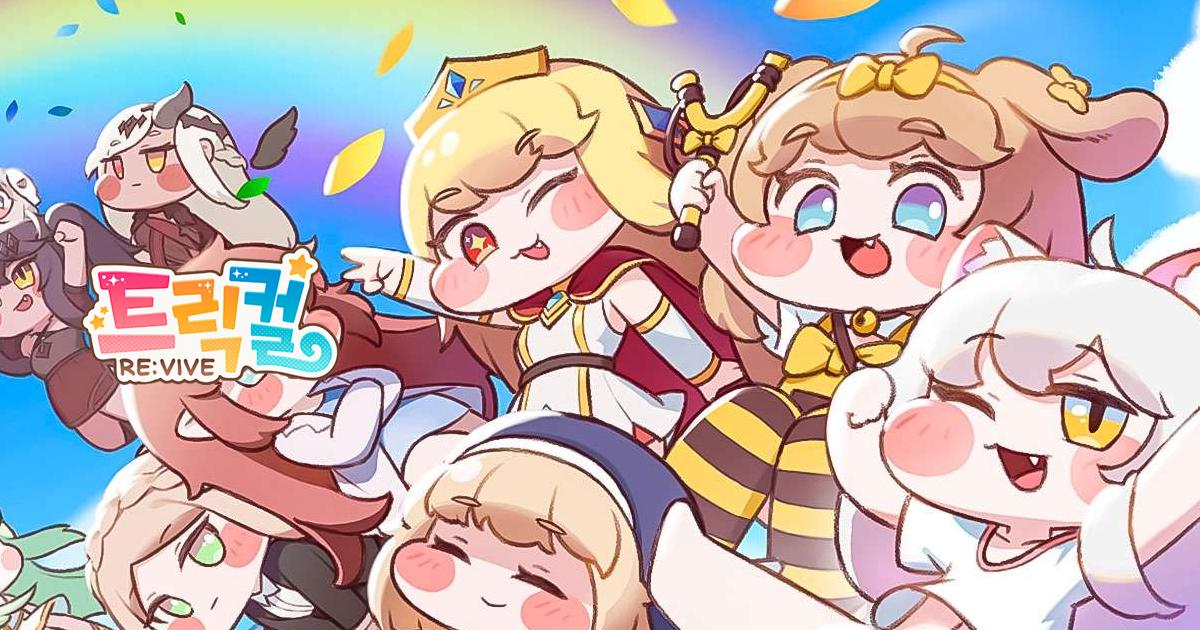
Trickcal: Chibi Go
- Localization
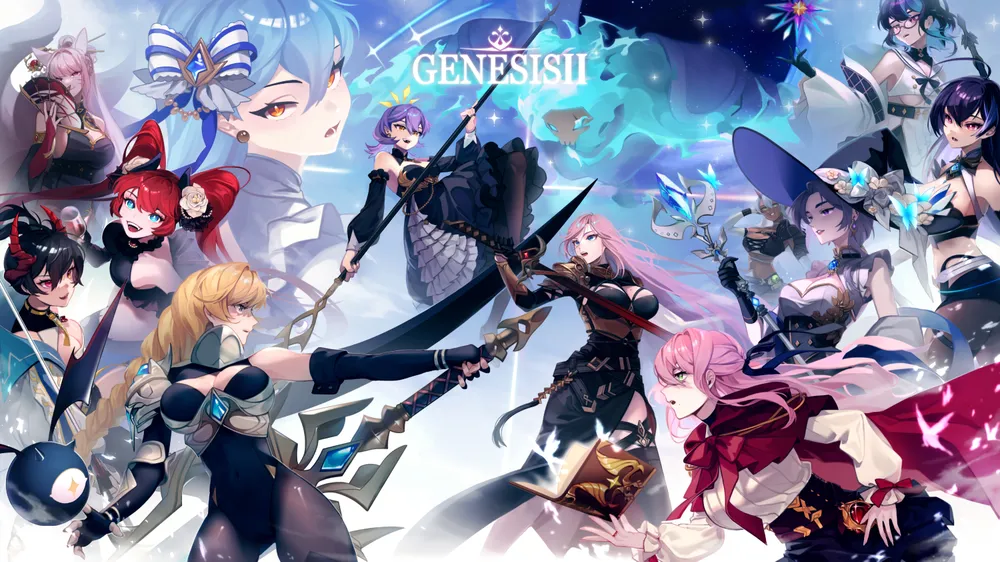
GENESIS2
- Localization
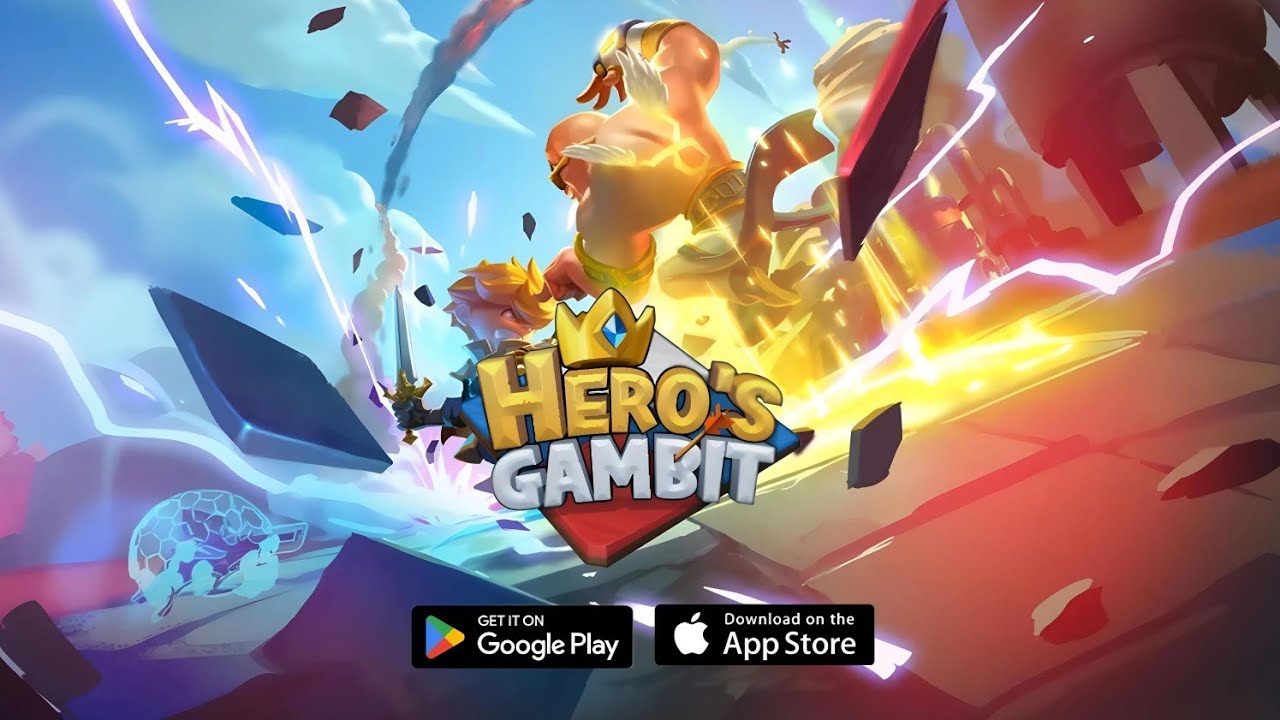
Hero’s Gambit
- Localization
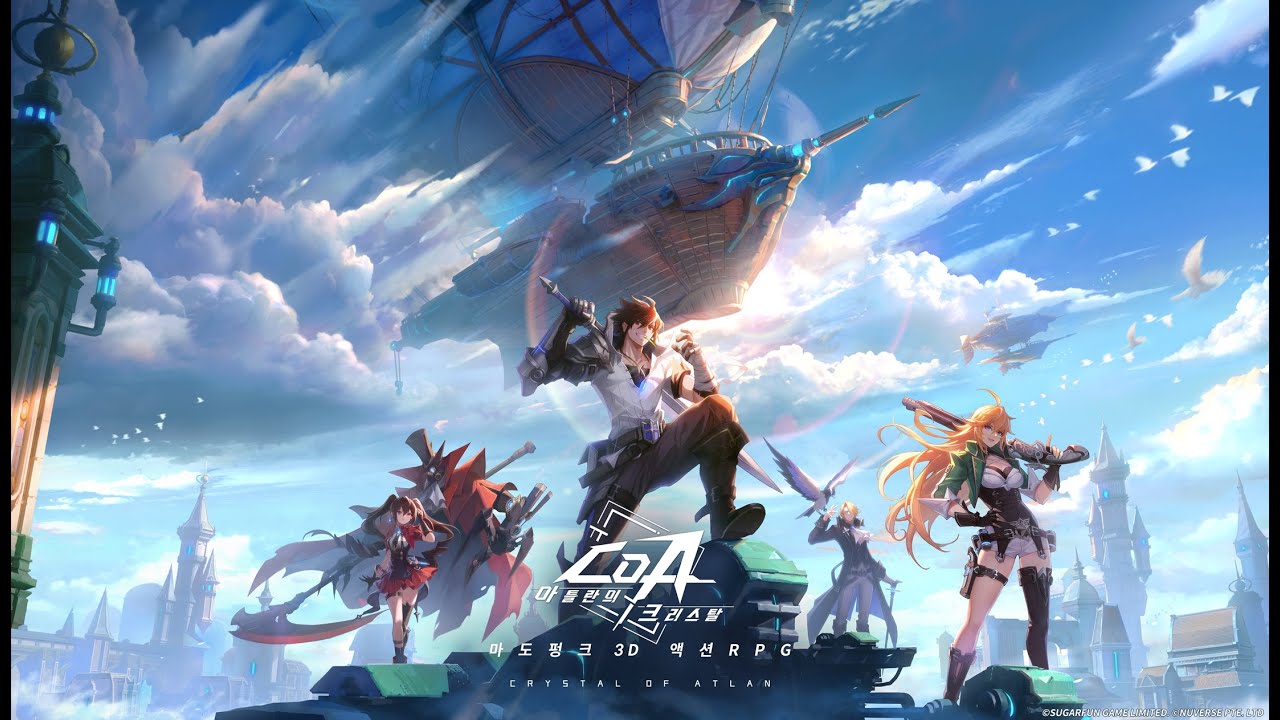
Crystal of Atlan
- Localization, LQA
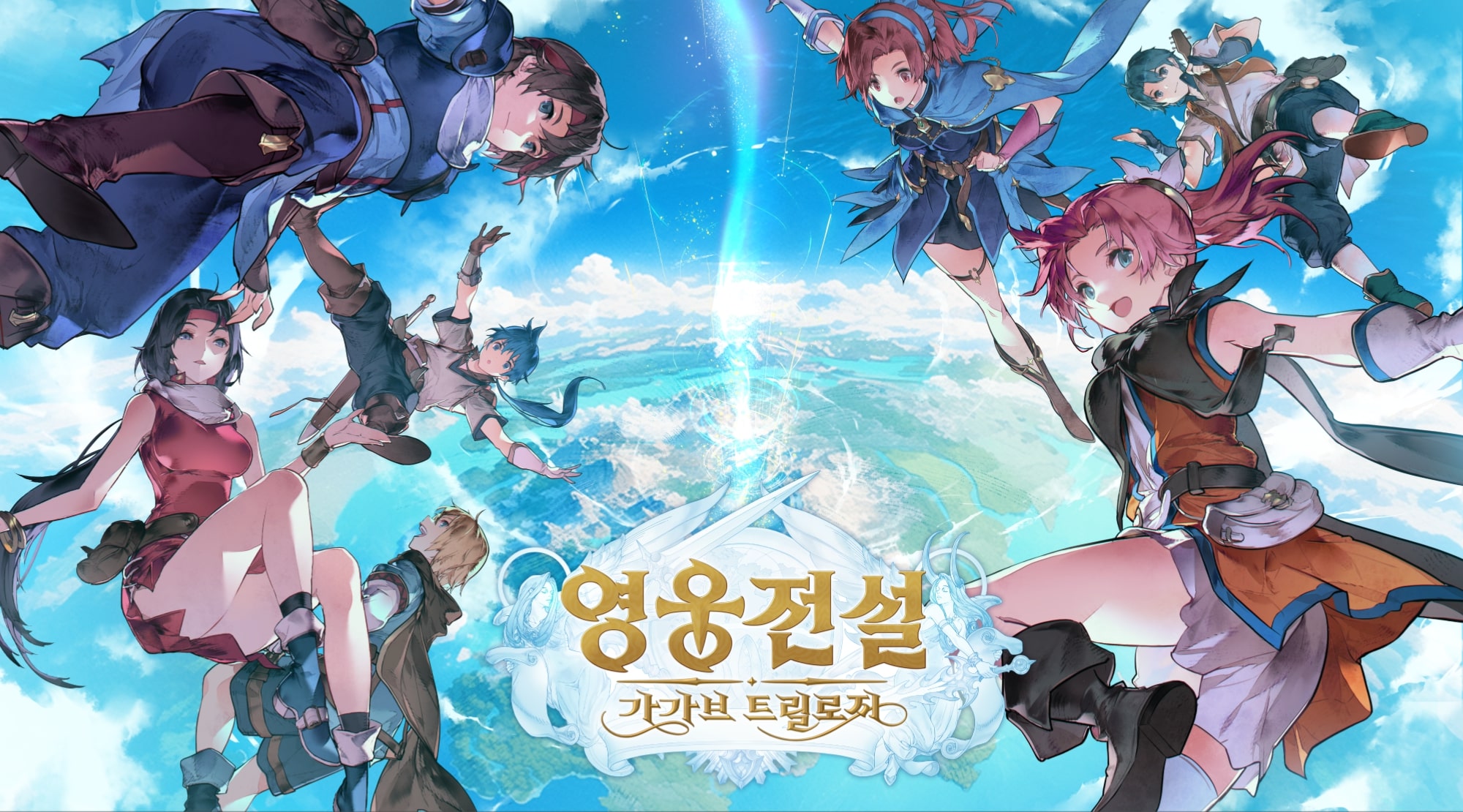
The Legend of Heroes: Gagharv Trilogy
- Localization
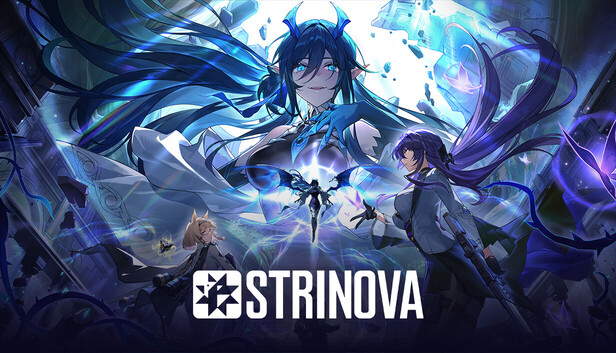
STRINOVA
- Localization, LQA
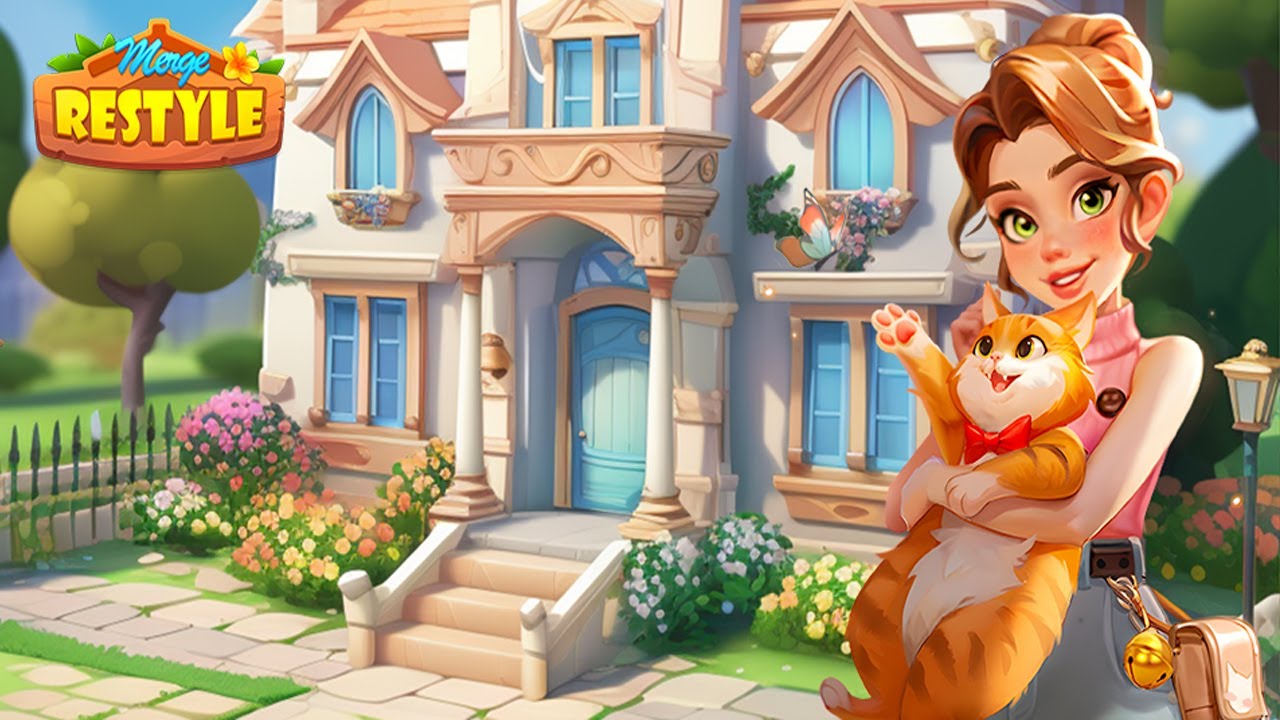
Merge Restyle
- Localization
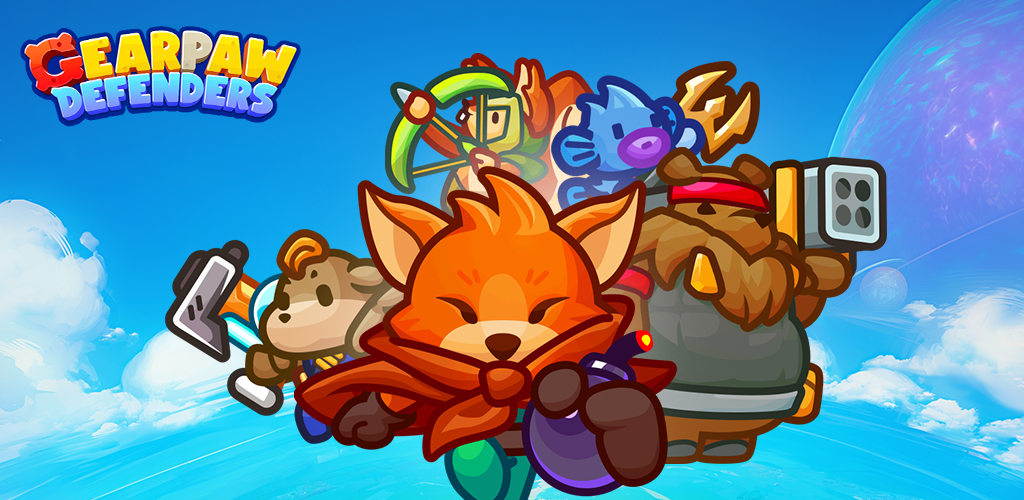
GearPaw Defenders!
- Localization
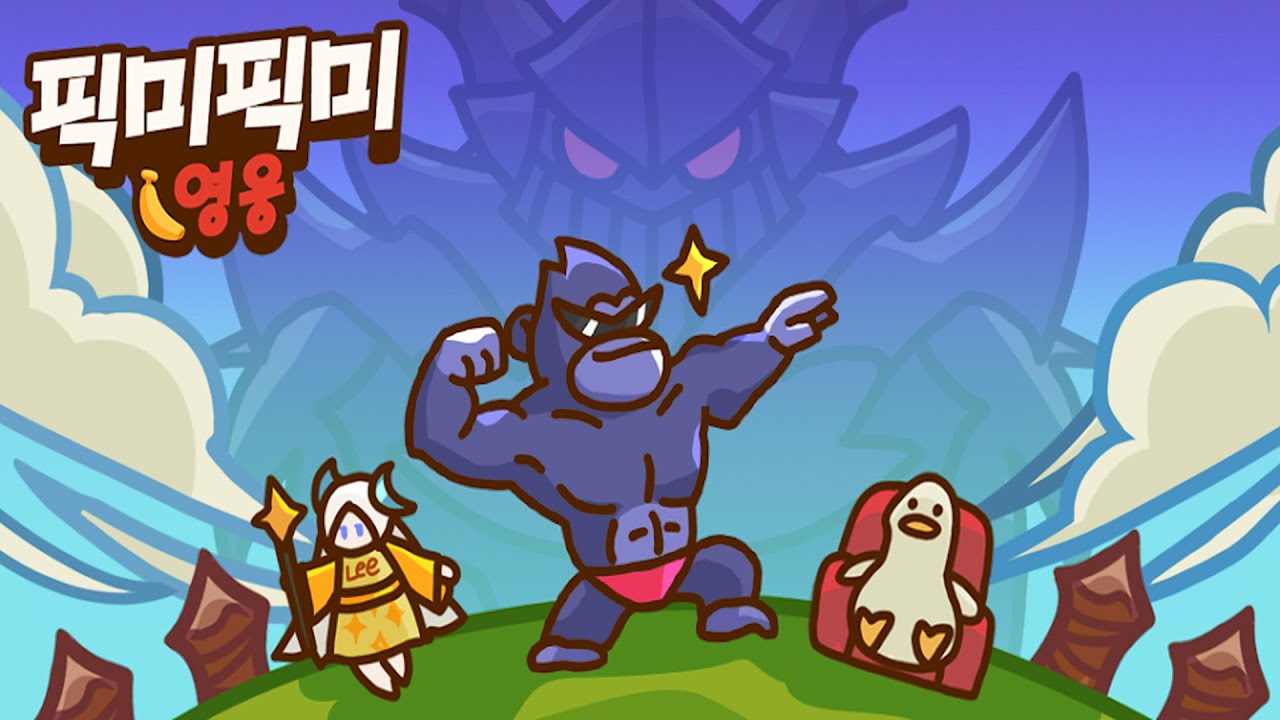
Pull Pull Pull Heroes
- Localization
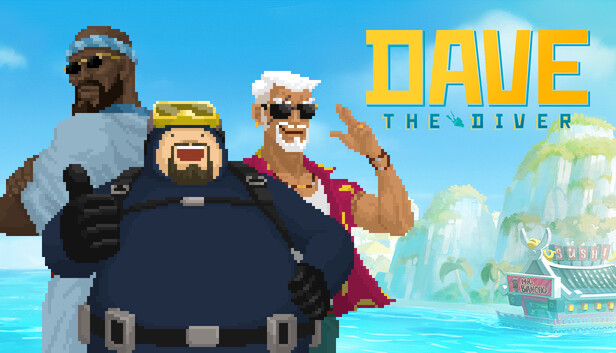
DAVE THE DIVER
- Localization
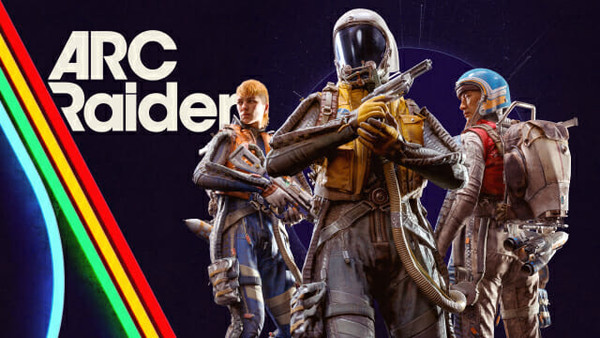
ARC Raiders
- Localization
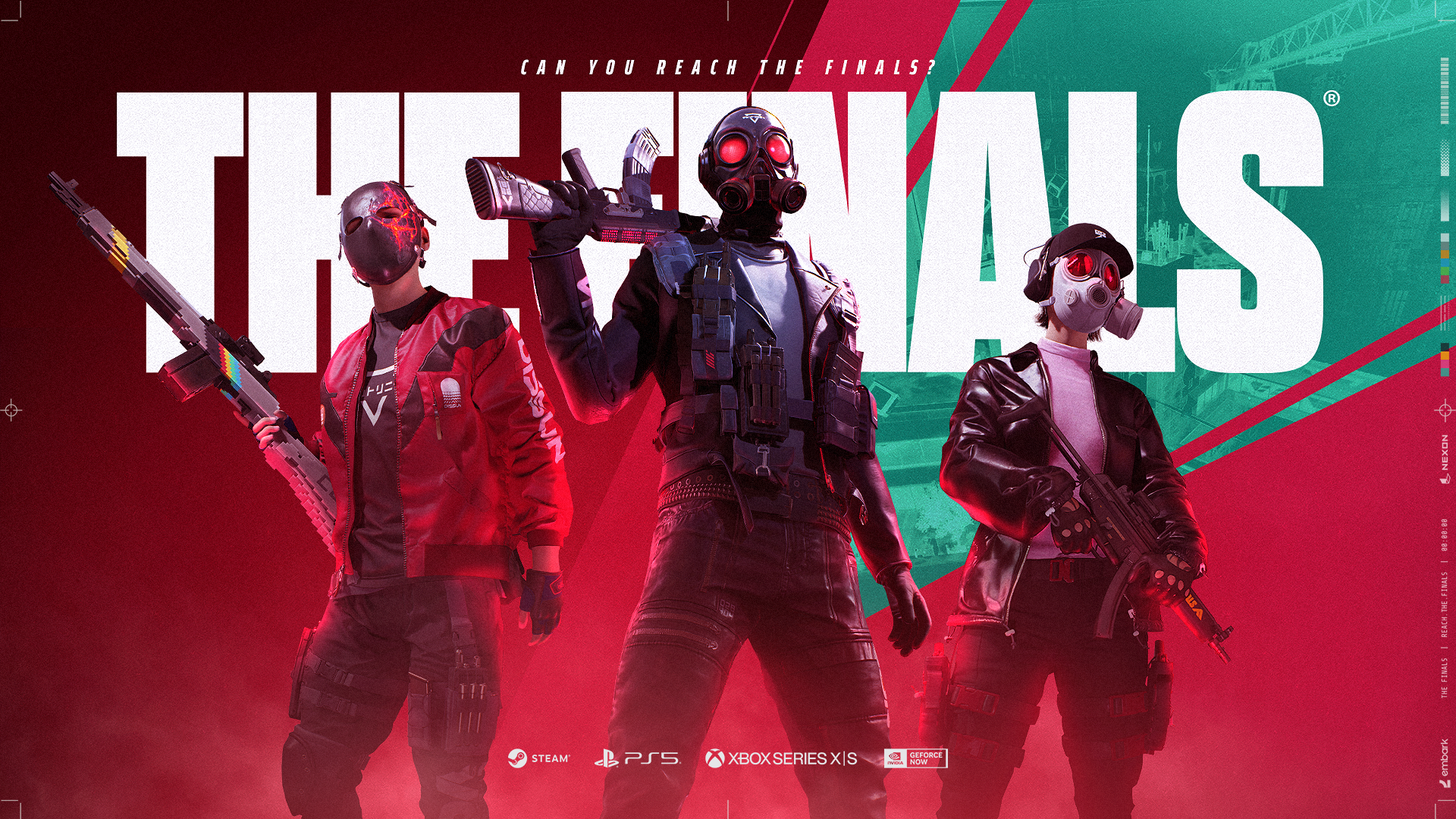
THE FINALS
- Localization
The First Descendant
- Localization, LQA
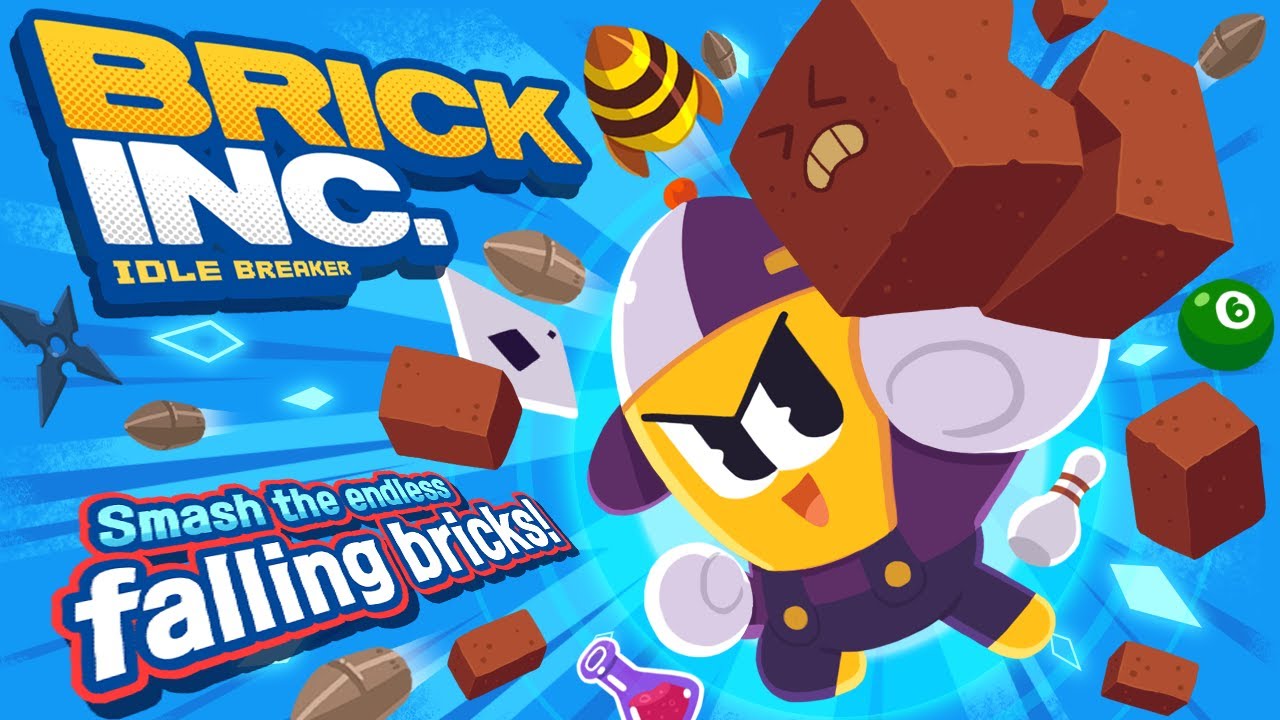
Brick Inc. Idle Breaker
- Localization
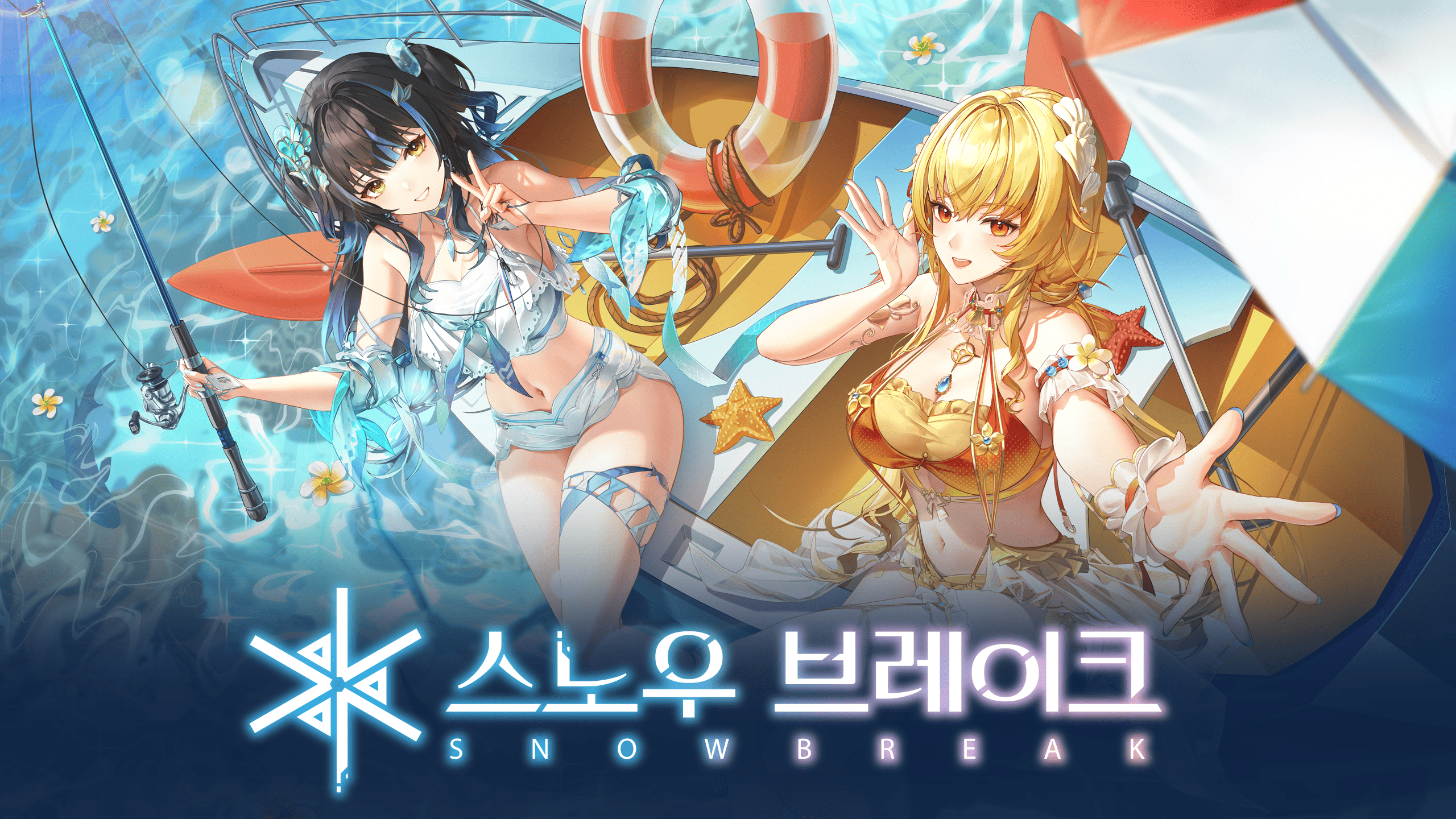
Snowbreak: Containment Zone
- Localization, LQA, Sound
Heartopia
- Localization
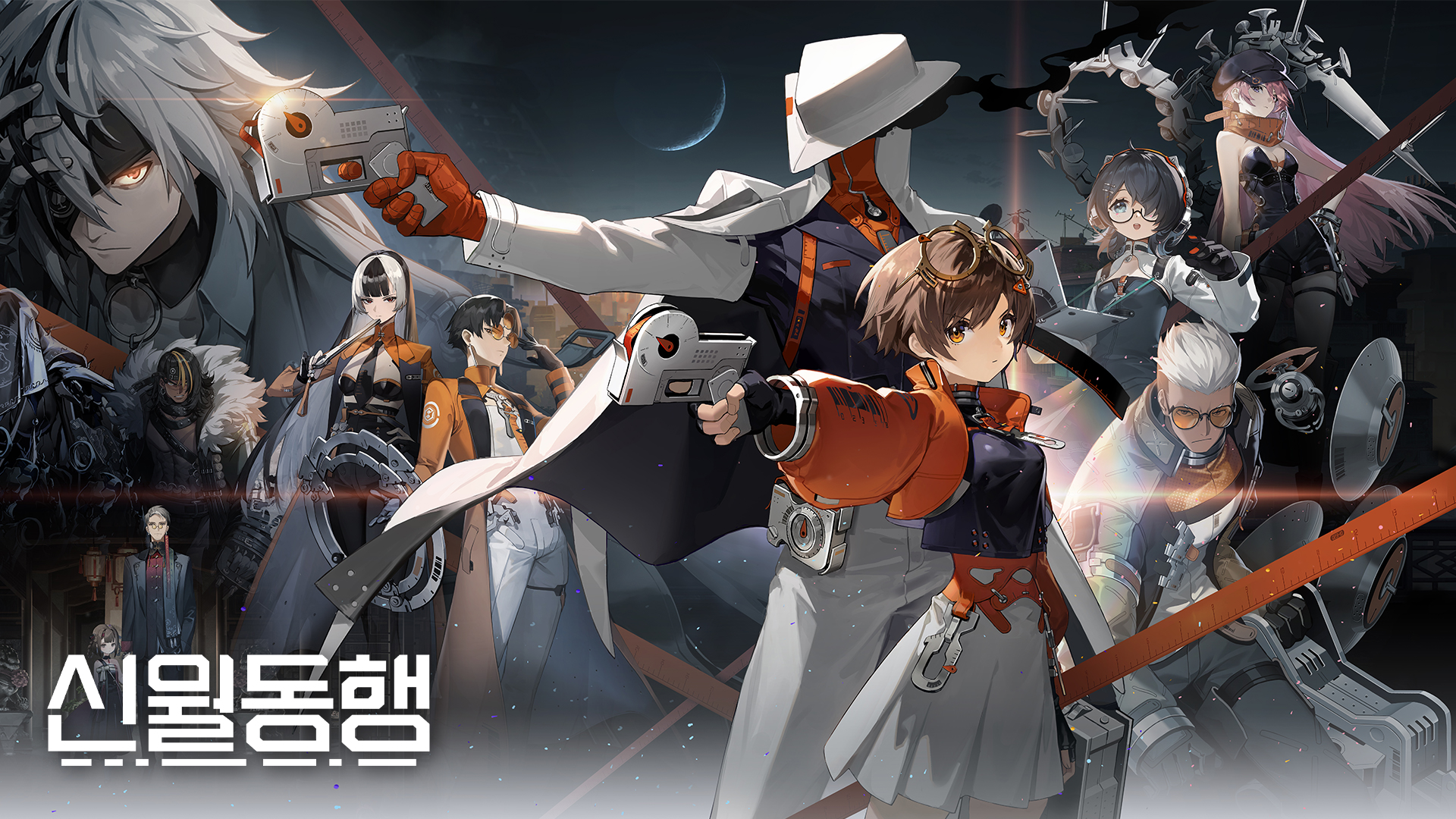
Fellow Moon
- Localization, LQA, Sound
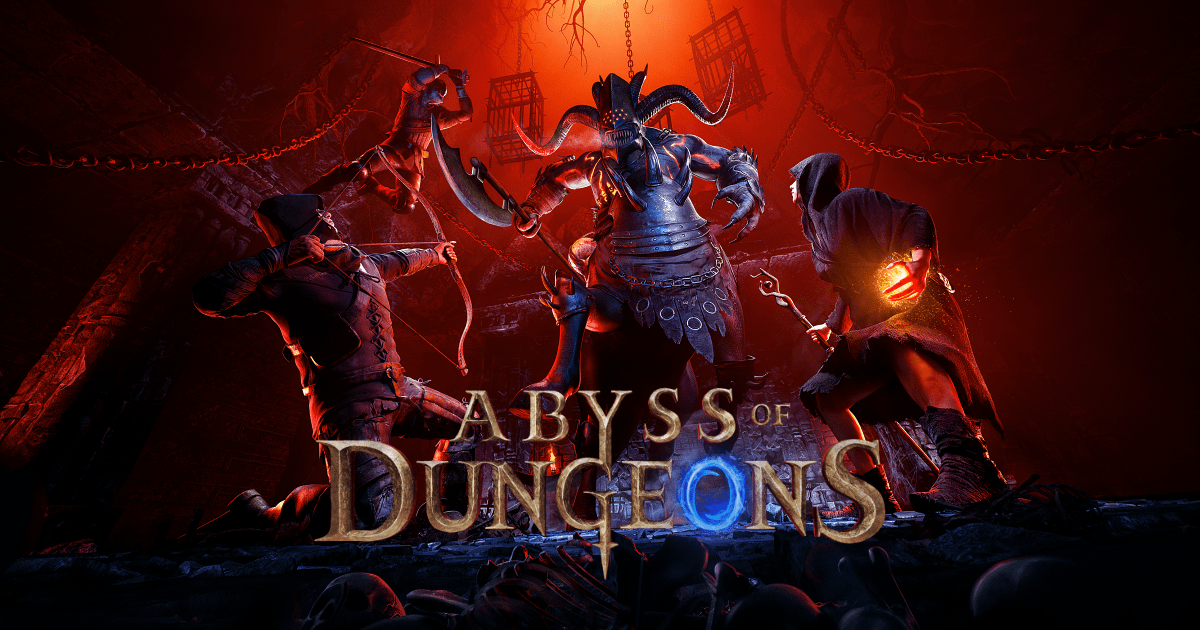
Abyss Of Dungeons
- Player Support
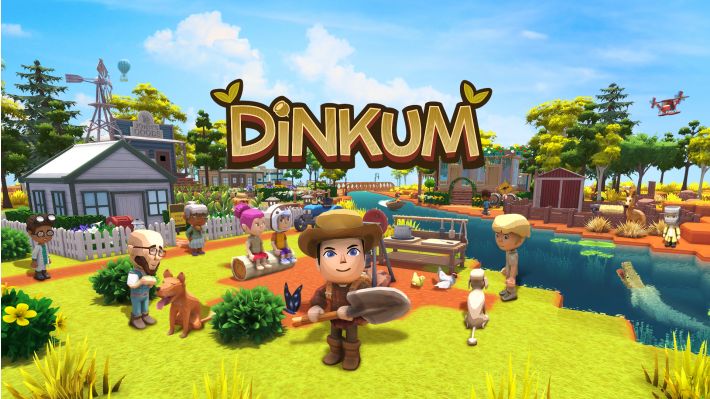
Dinkum
- Player Support
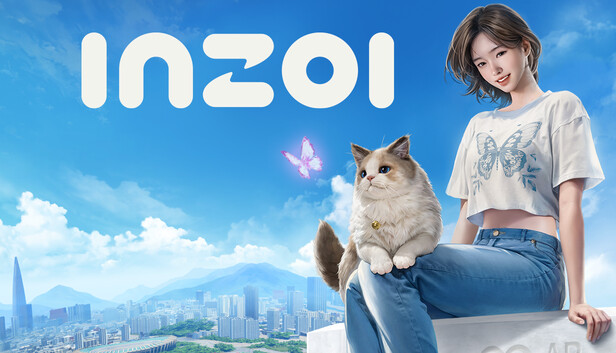
inZOI
- Player Support
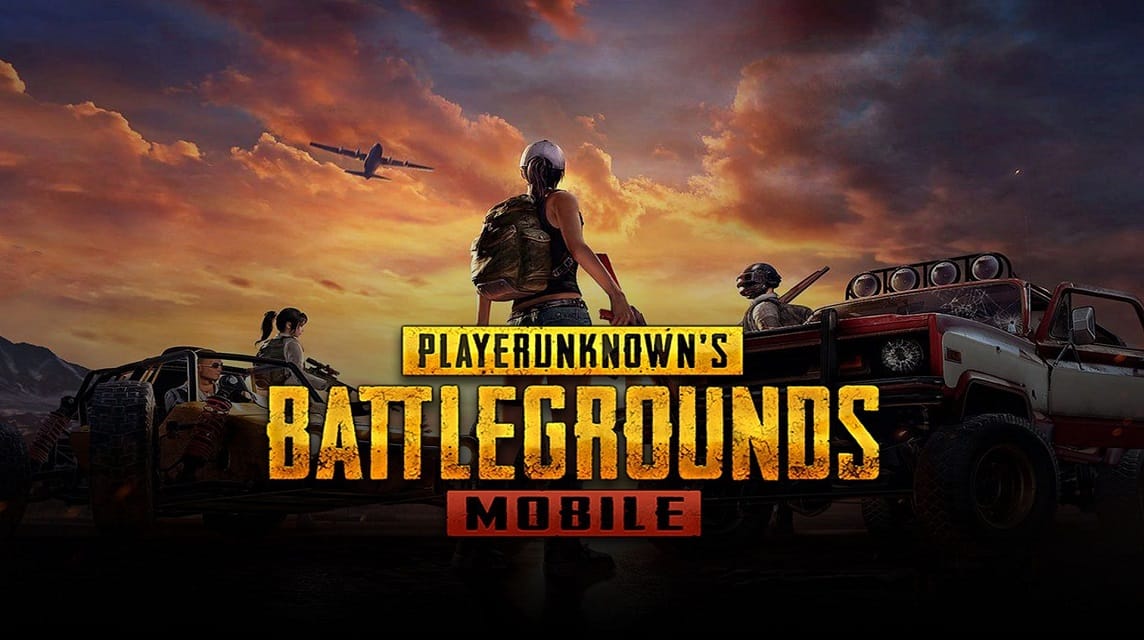
PUBG MOBILE
- Player Support
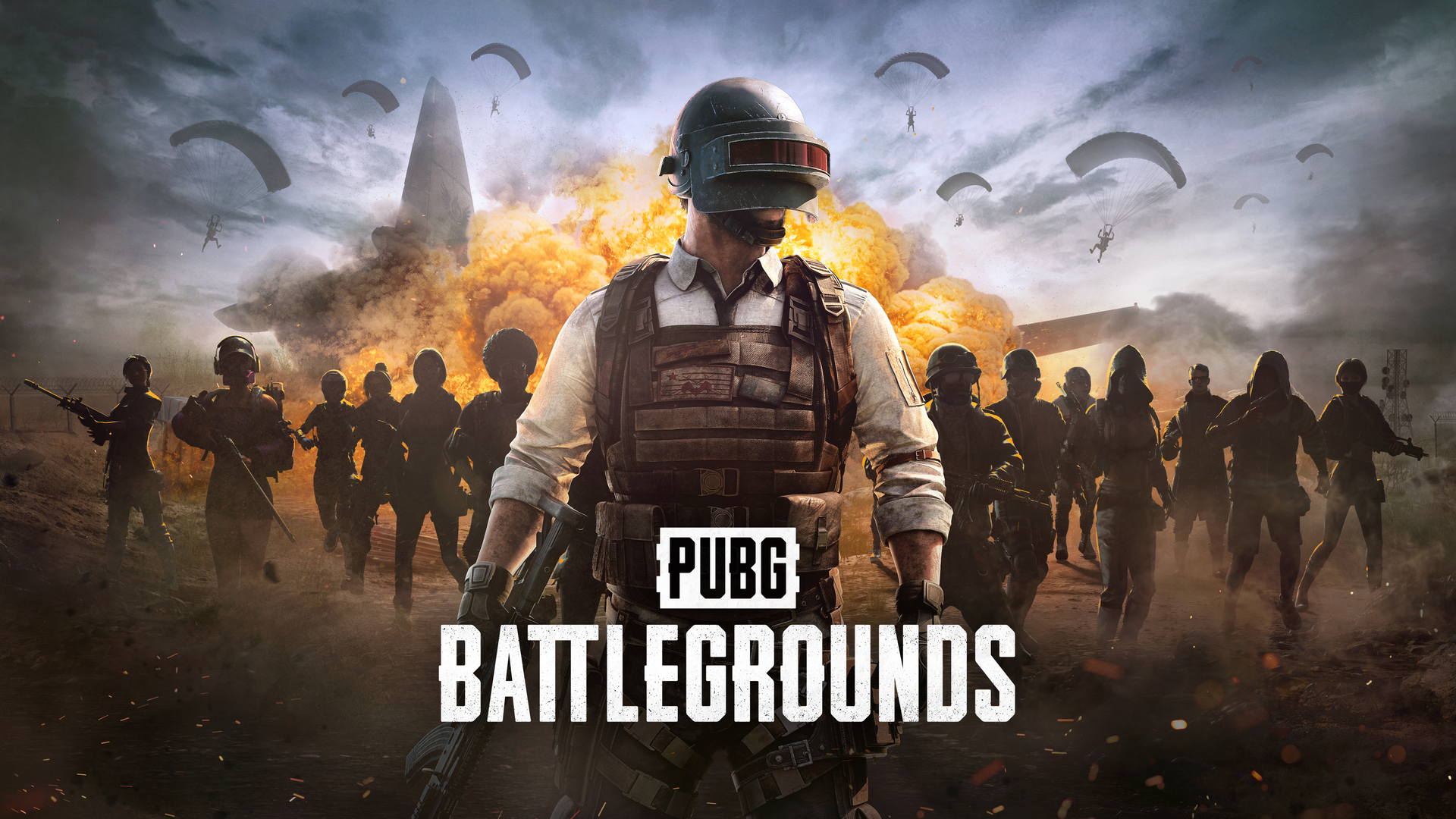
PUBG: BATTLEGROUNDS
- Player Support
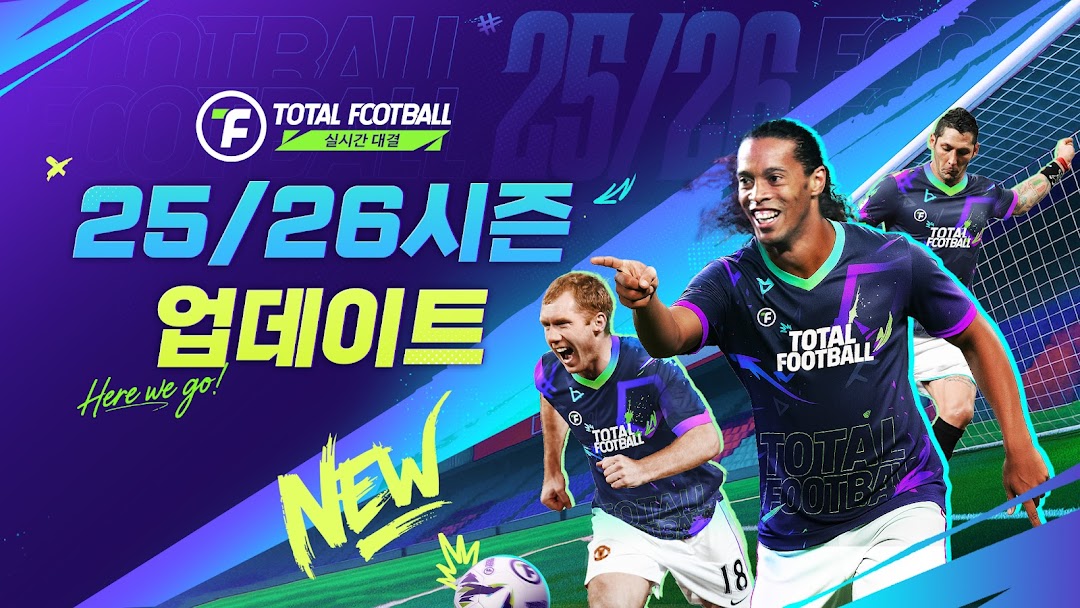
Total Football 25/26
- Player Support
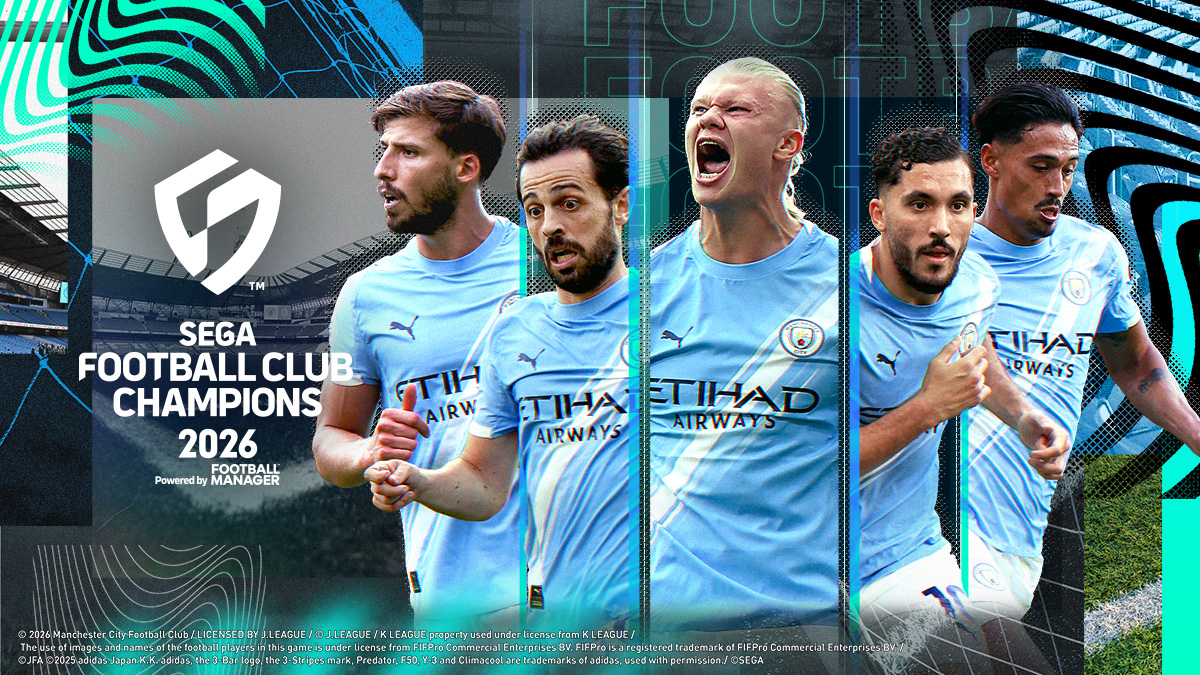
SEGA FOOTBALL CLUB CHAMPIONS 2026
- Localization, Player Support
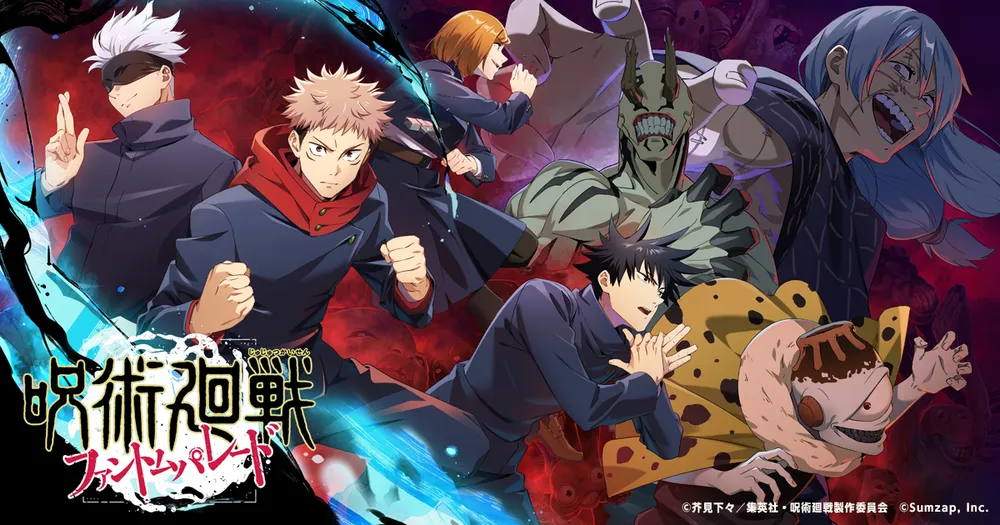
Jujutsu Kaisen Phantom Parade
- Marketing, Player Support
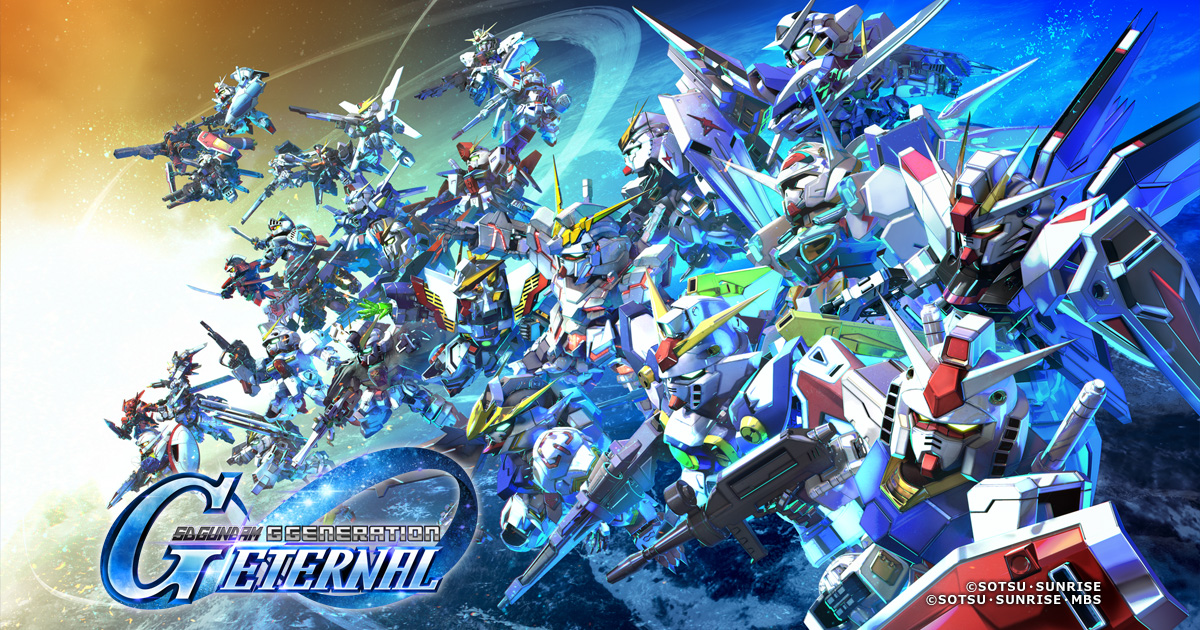
SD Gundam G Generation ETERNAL
- Player Support
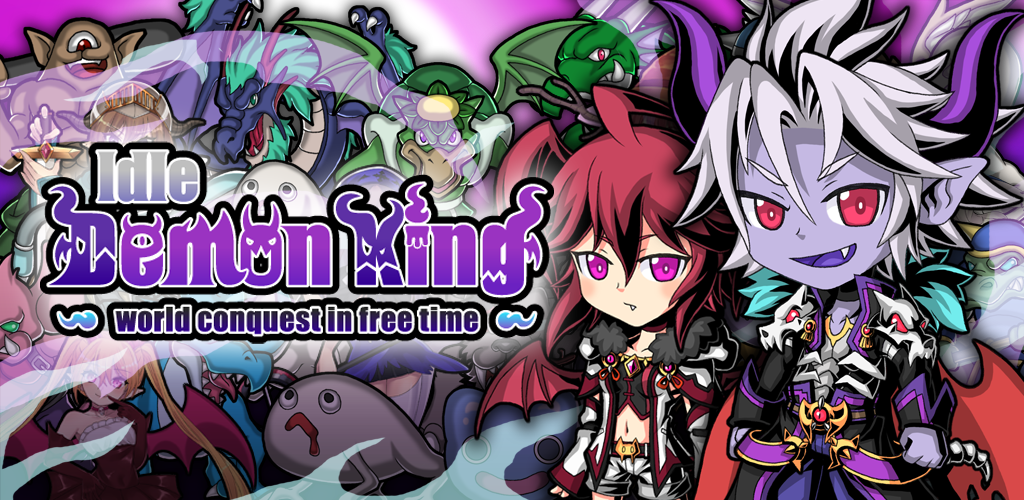
Idle Demon King
- Player Support
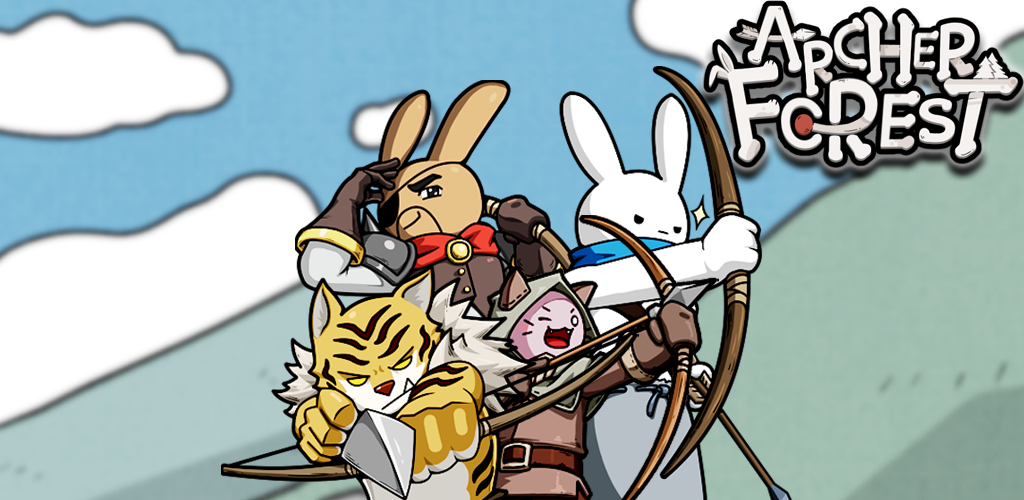
Archer Forest : Idle Defense
- Player Support
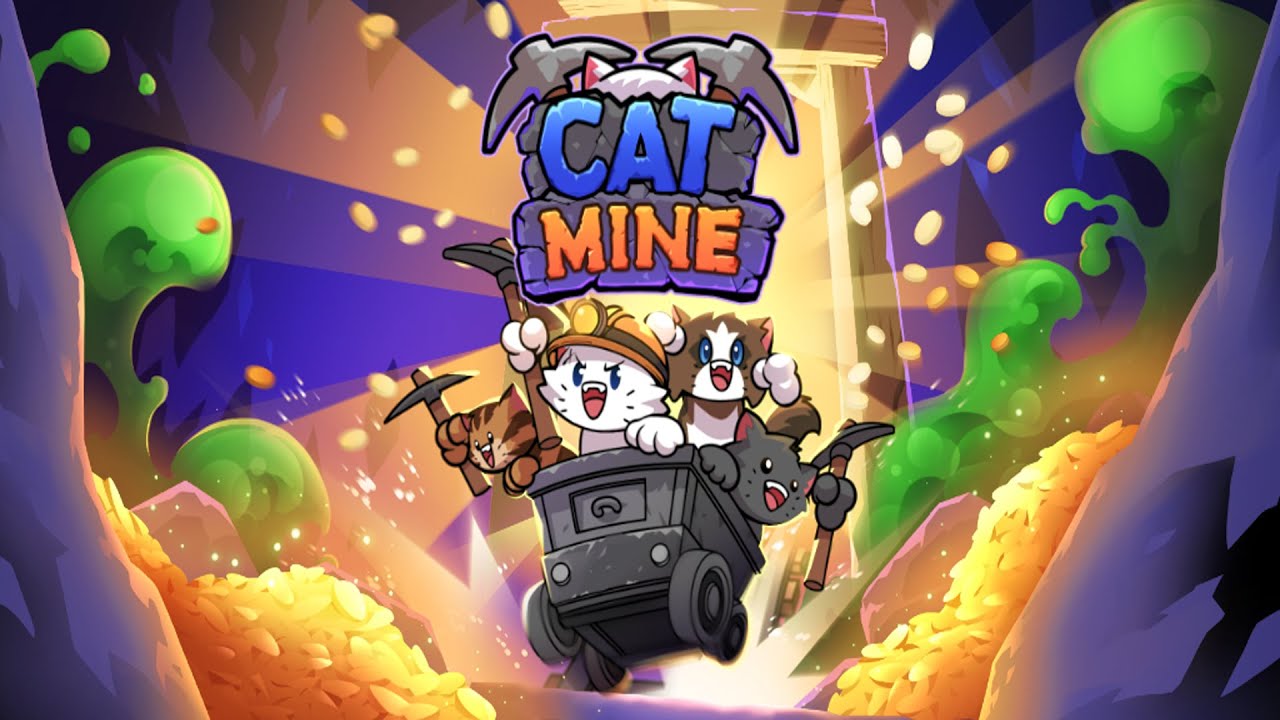
Cats & Mine
- Player Support
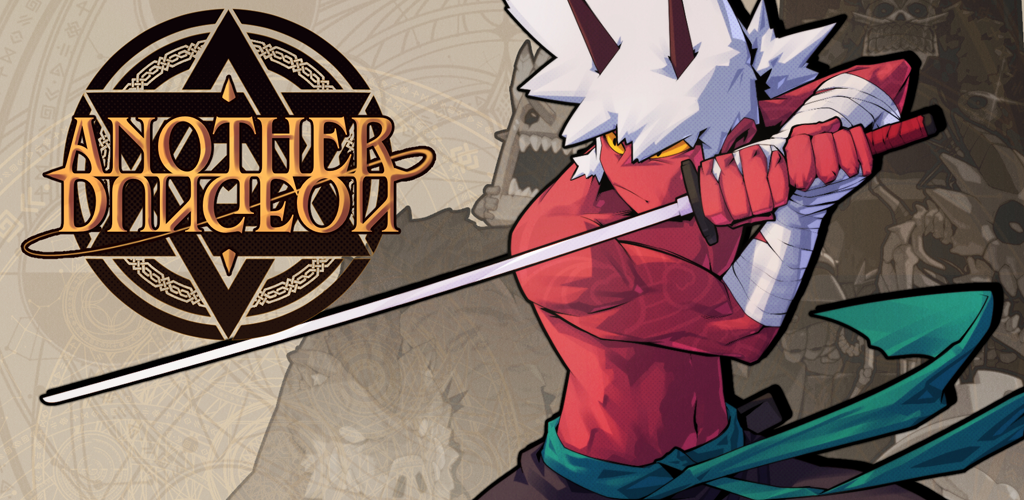
Another Dungeon
- Player Support
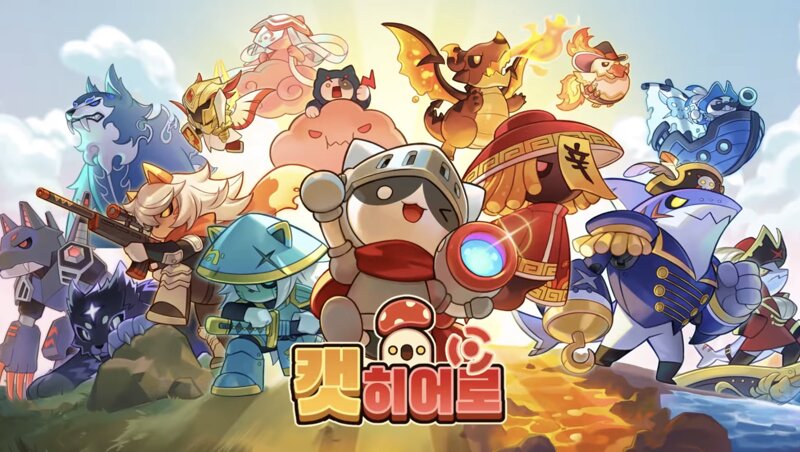
Cat Hero
- Player Support
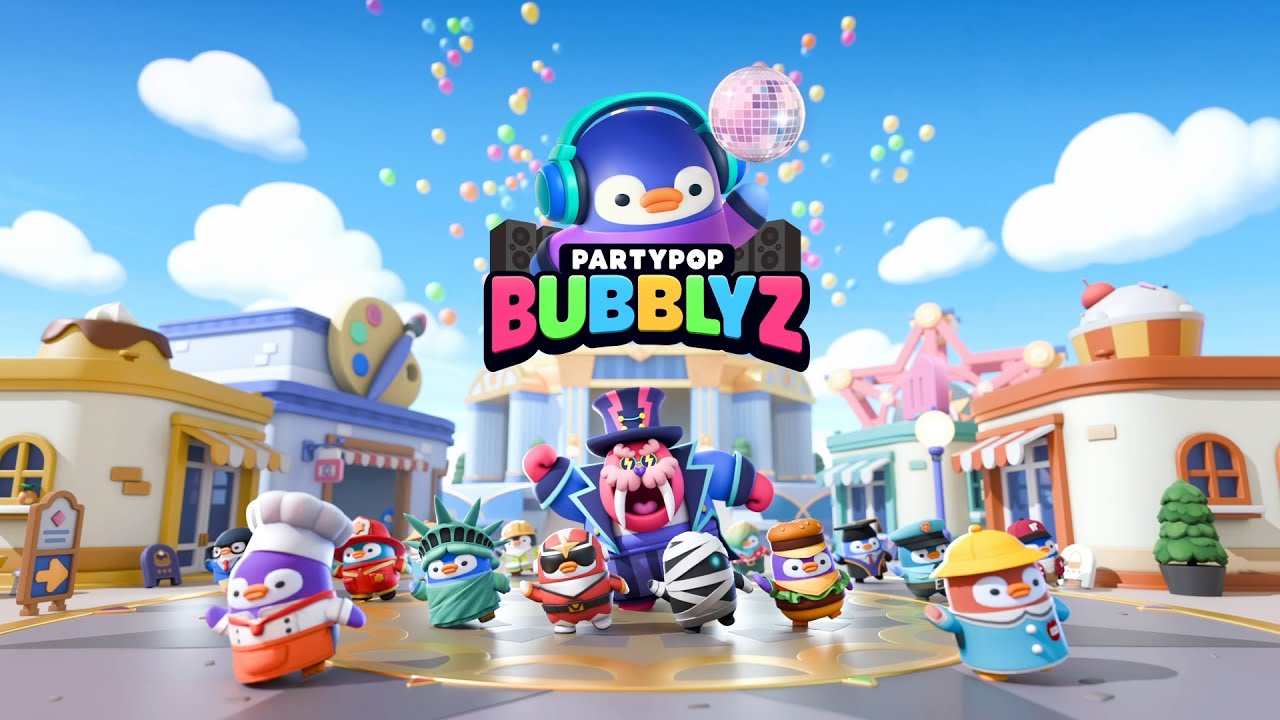
Party Pop Bubblyz
- Player Support
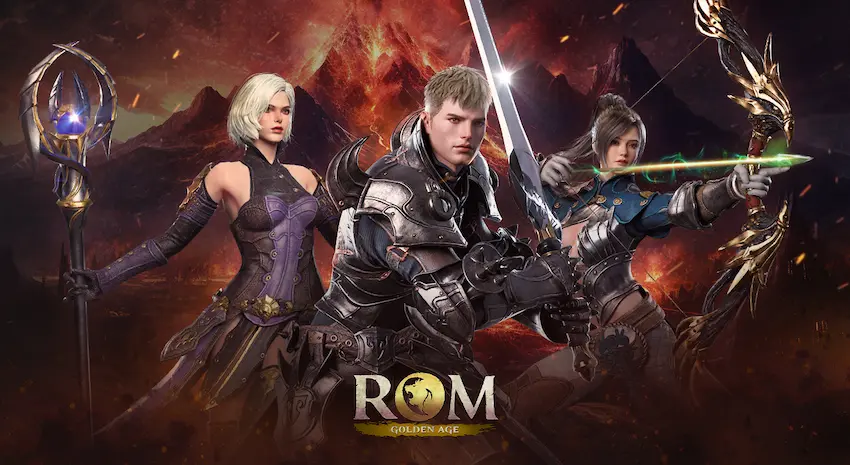
ROM: Golden Age
- Player Support
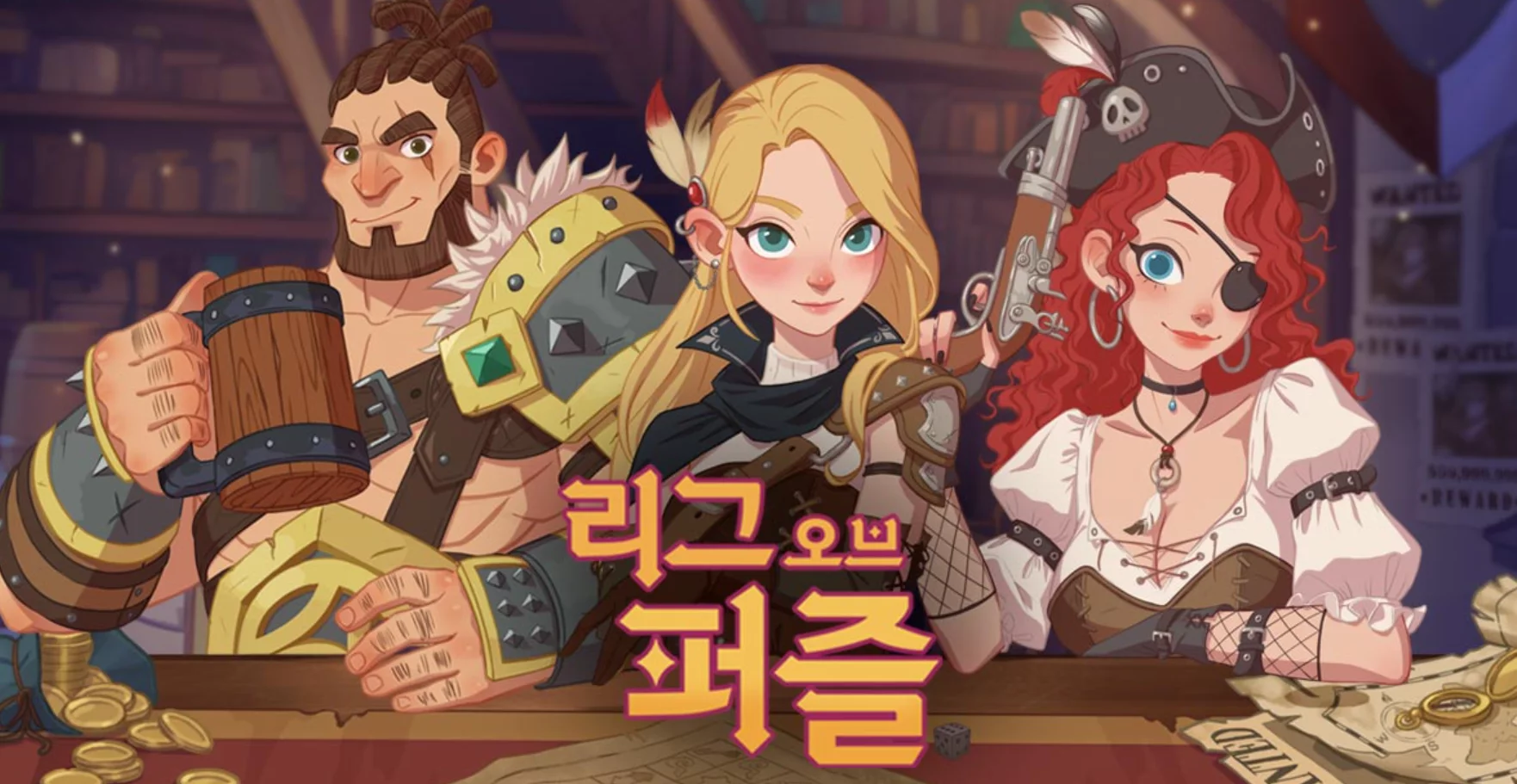
League of Puzzle
- Marketing, Player Support
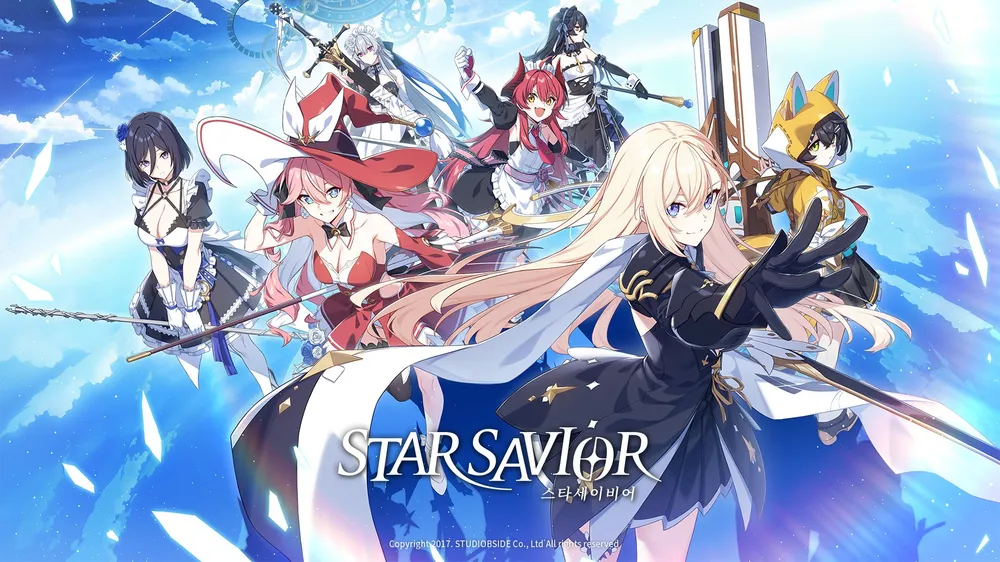
StarSavior
- Player Support, QA
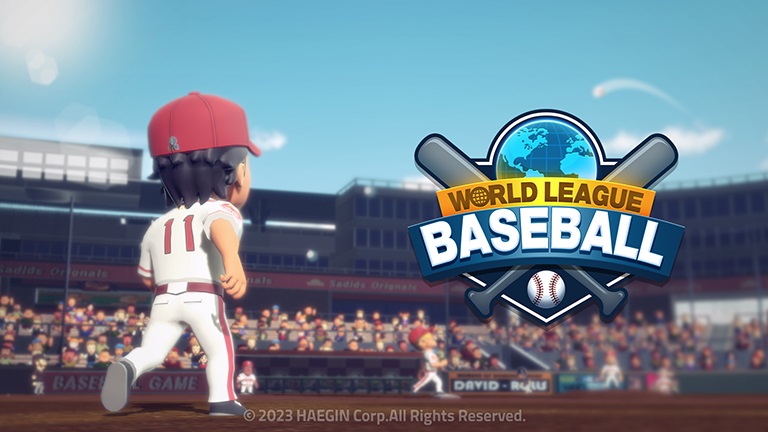
World League Baseball
- Player Support
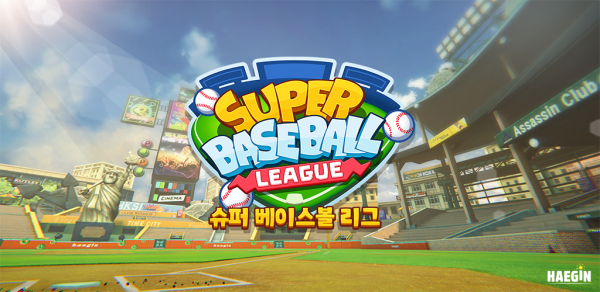
Super Baseball League
- Player Support
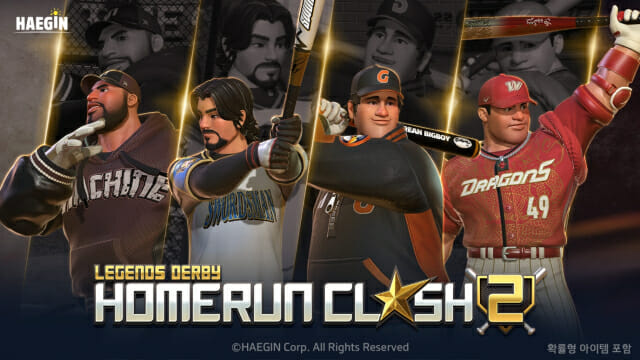
Homerun Clash
- Player Support
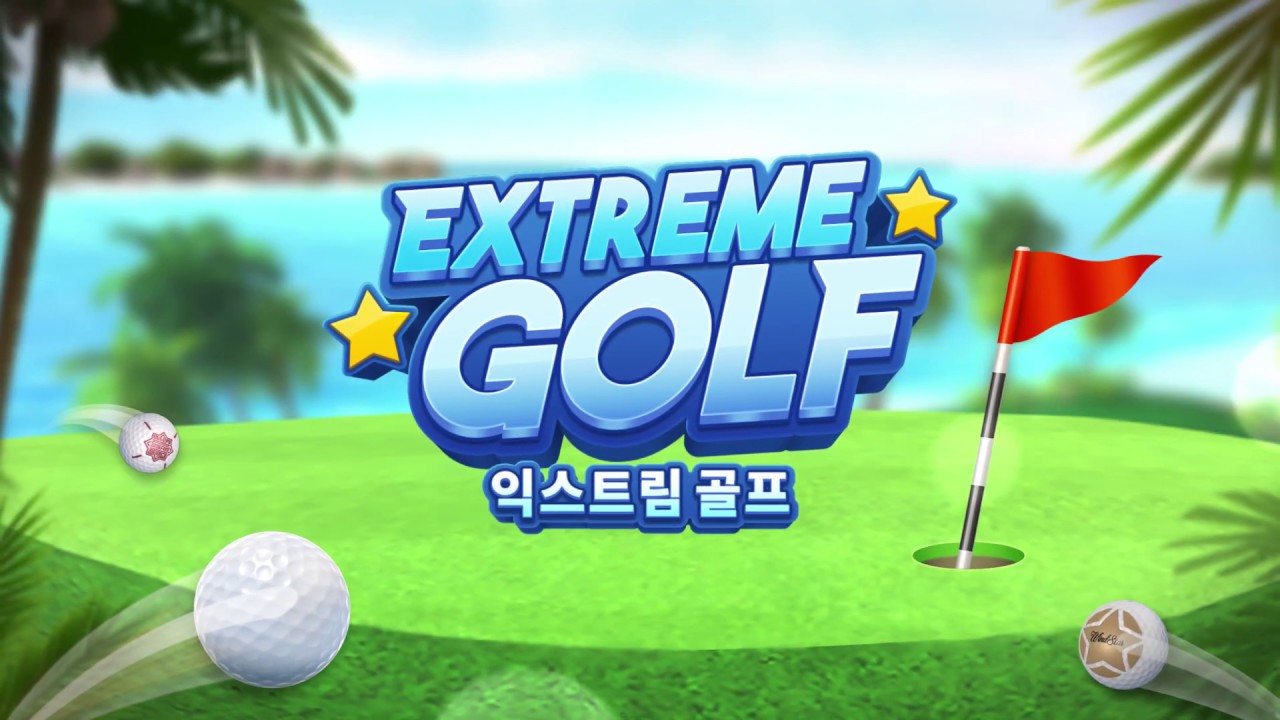
EXTREME GOLF
- Player Support
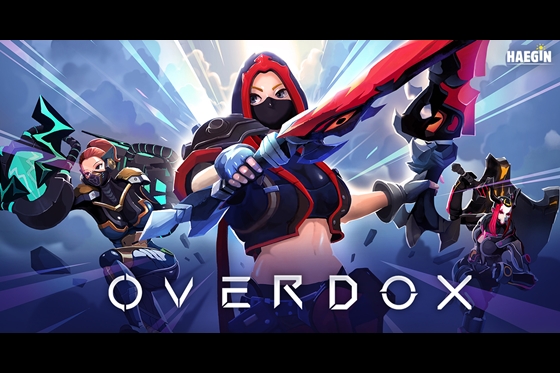
OVERDOX
- Player Support
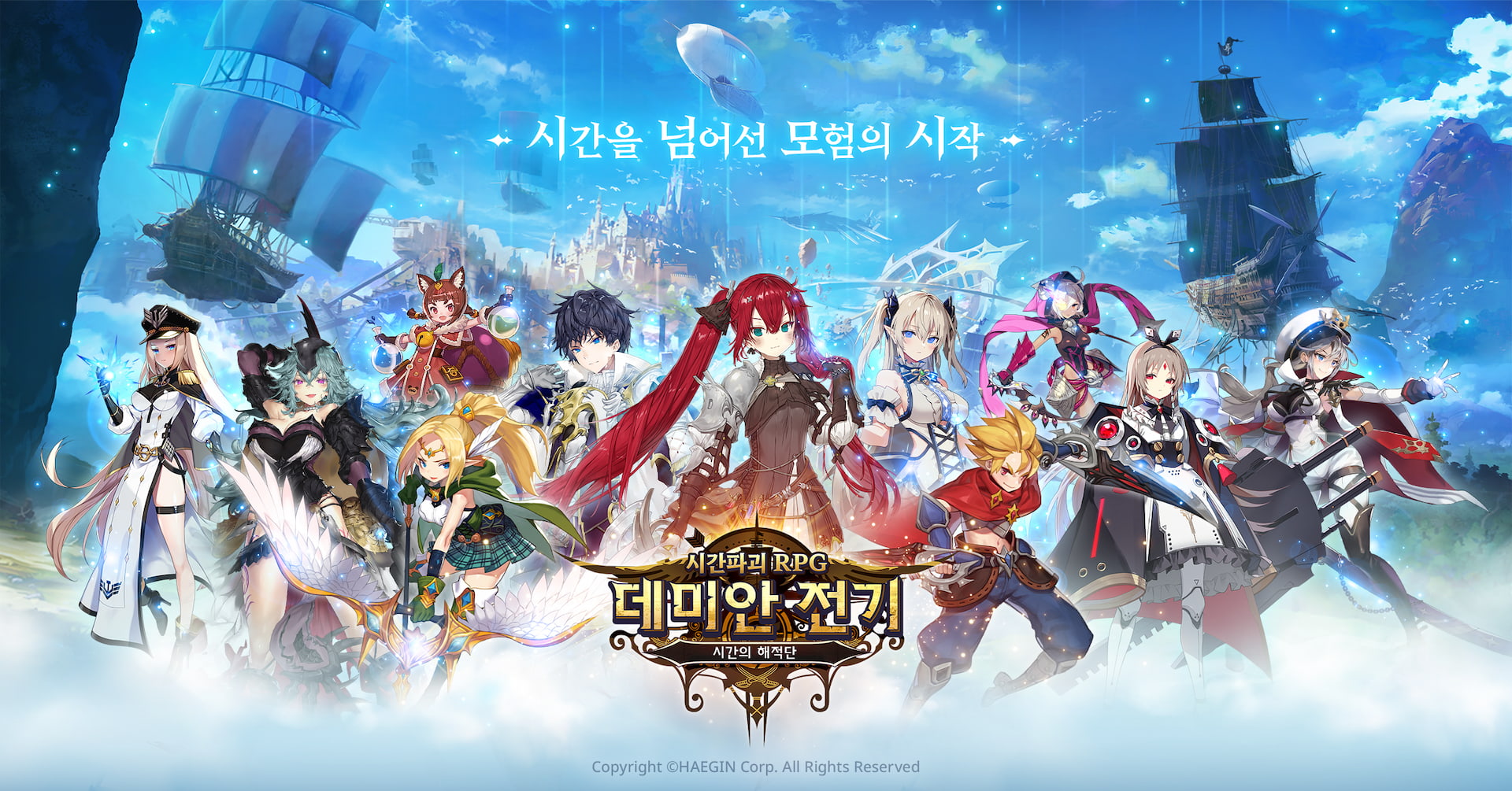
Demian Saga
- Player Support
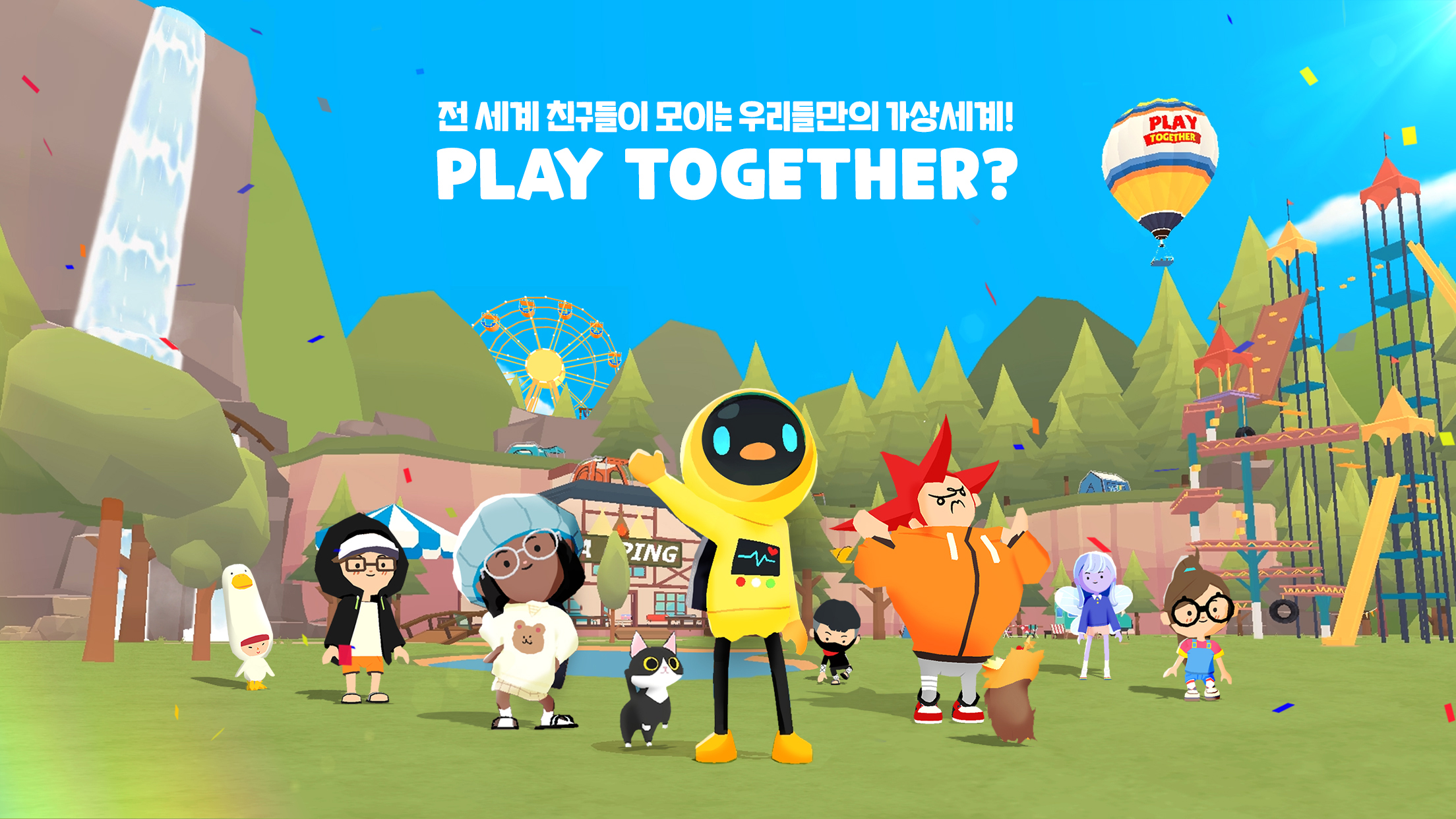
Play Together
- Player Support
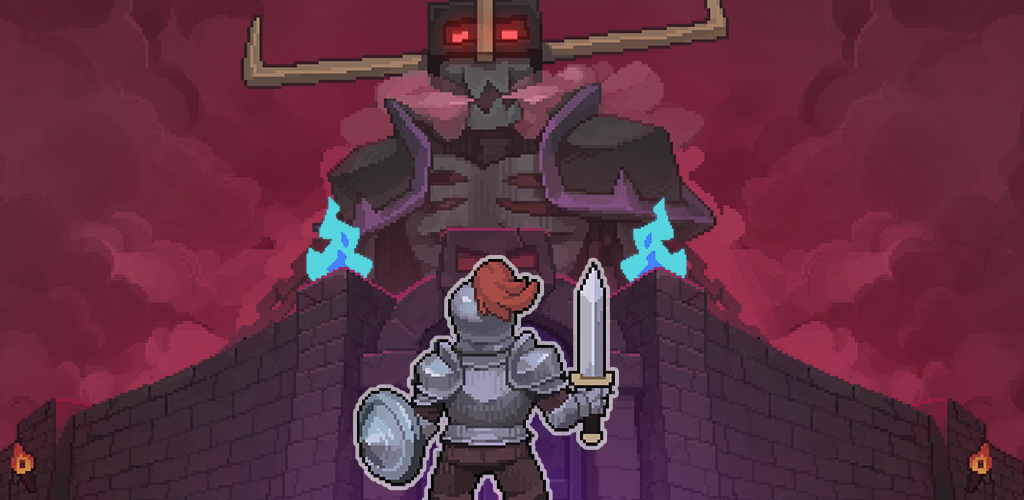
용사님 돌았어요?
- Player Support
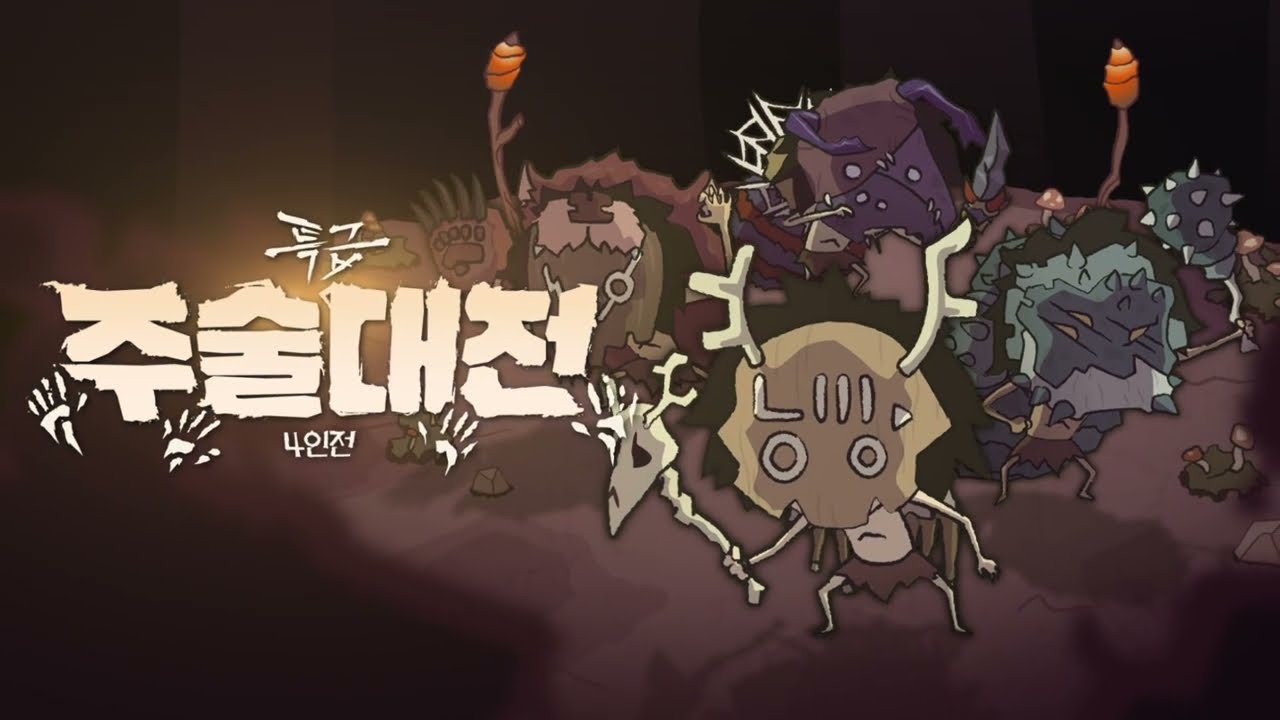
특급주술대전
- Player Support
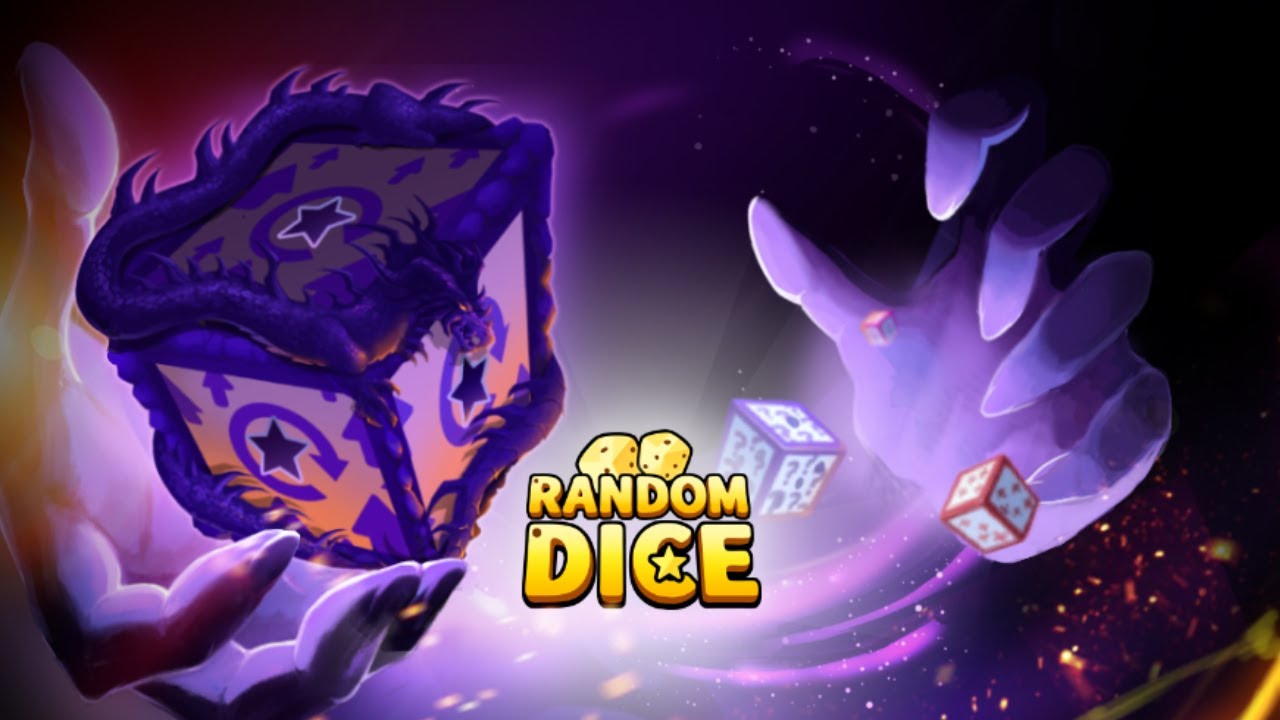
Random Dice
- Player Support
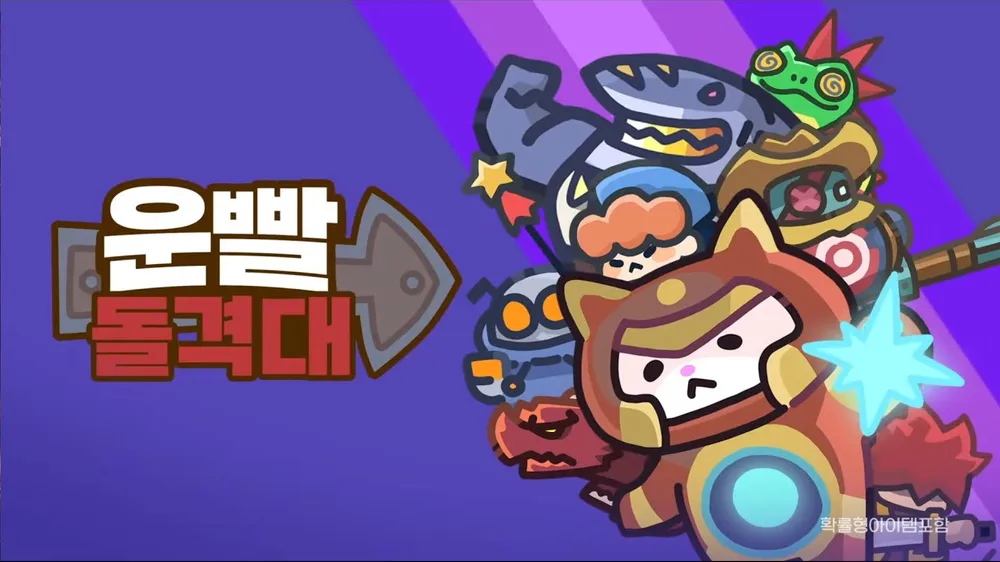
LUCKY OFFENSE
- Player Support
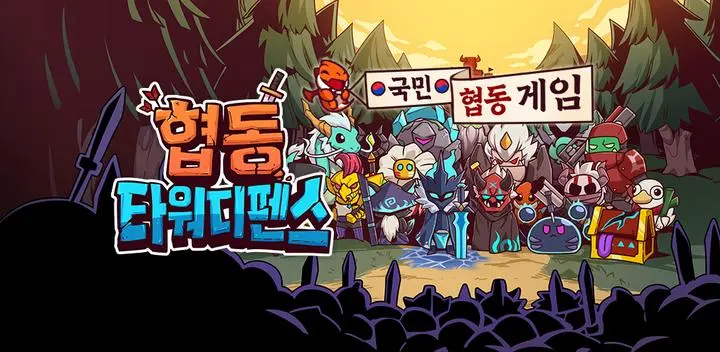
협동 타워 디펜스 : 깐부와 함께
- Player Support
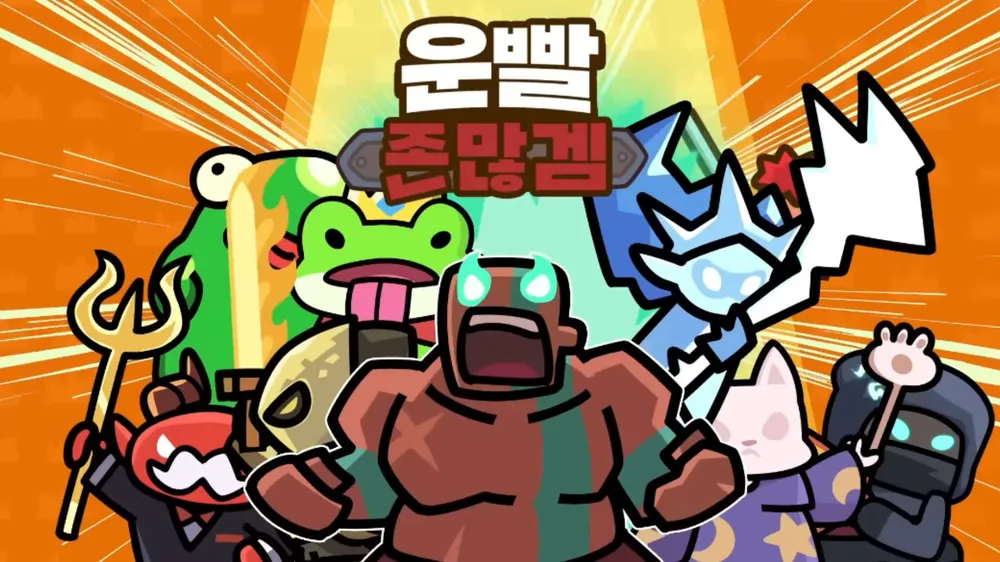
What the Luck?: Lucky Defense
- Player Support
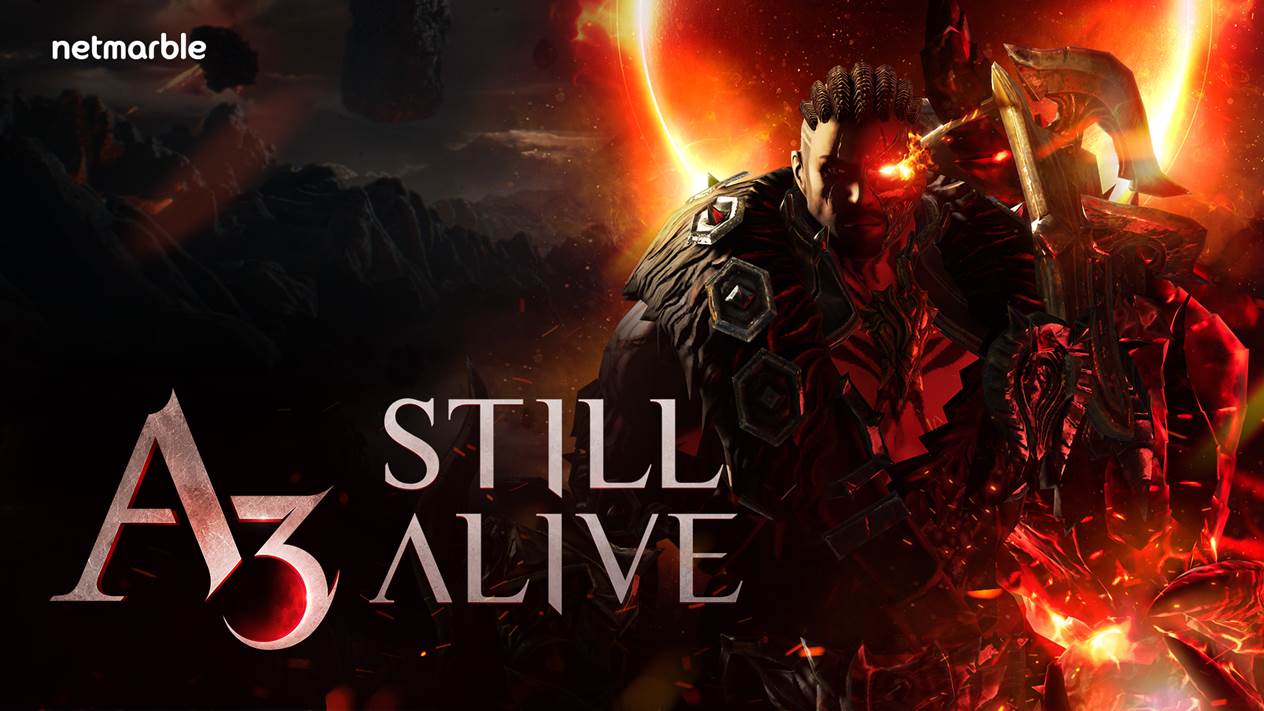
A3: STILL ALIVE
- Localization
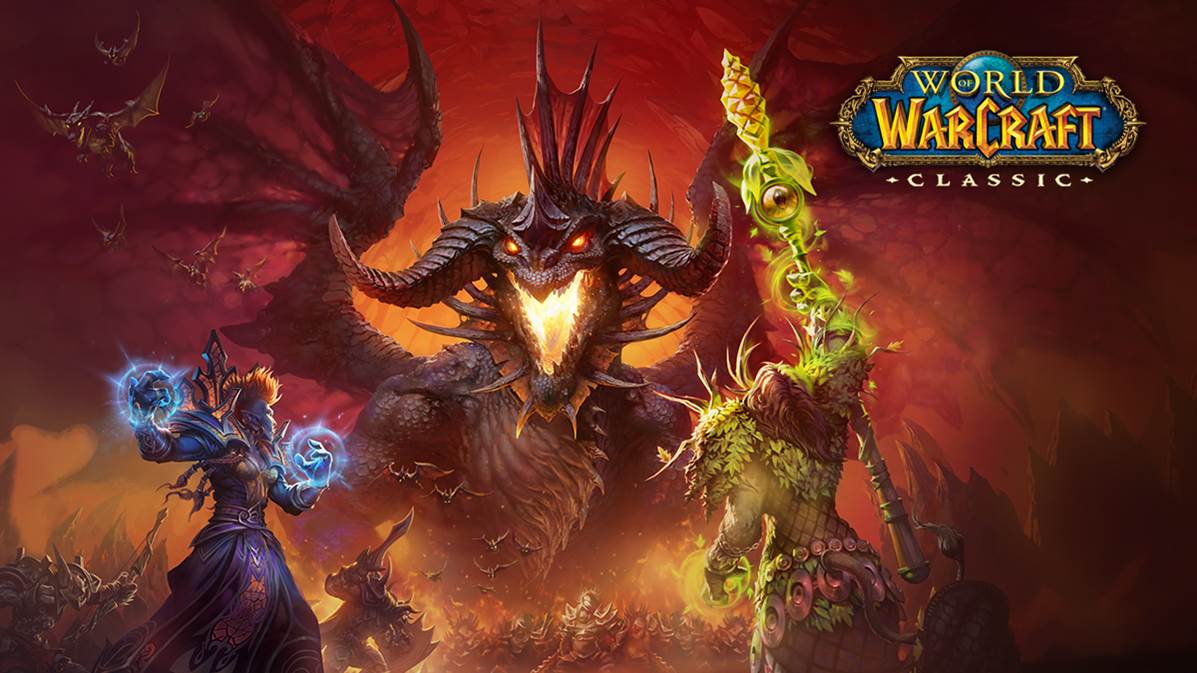
World of Warcraft
- Localization
Watchdog: Legion
- Localization, LQA
TRAHA
- Localization, LQA, Player Support
TOWER OF FANTASY
- Localization, LQA, Sound
Tom Clancy’s The Division 2
- Localization
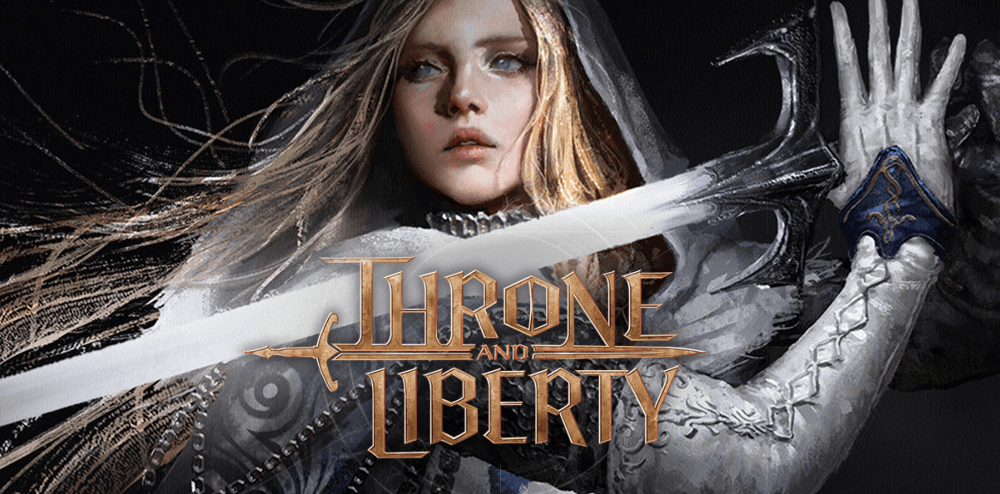
Throne and Liberty
- Localization, QA
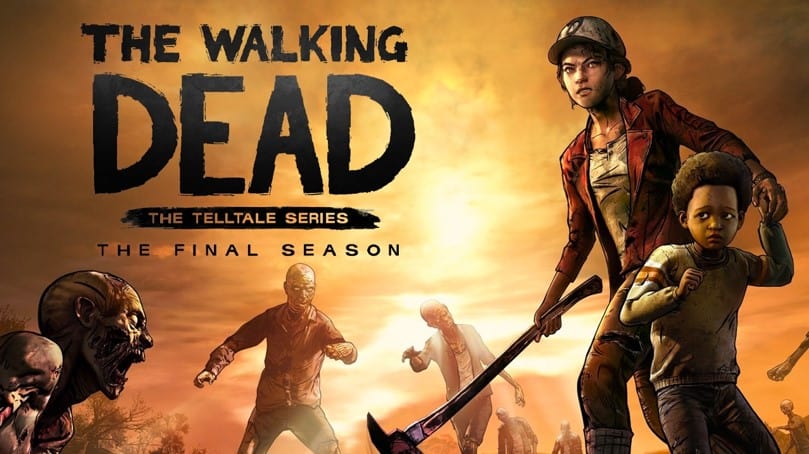
THE WALKING DEAD
- Localization
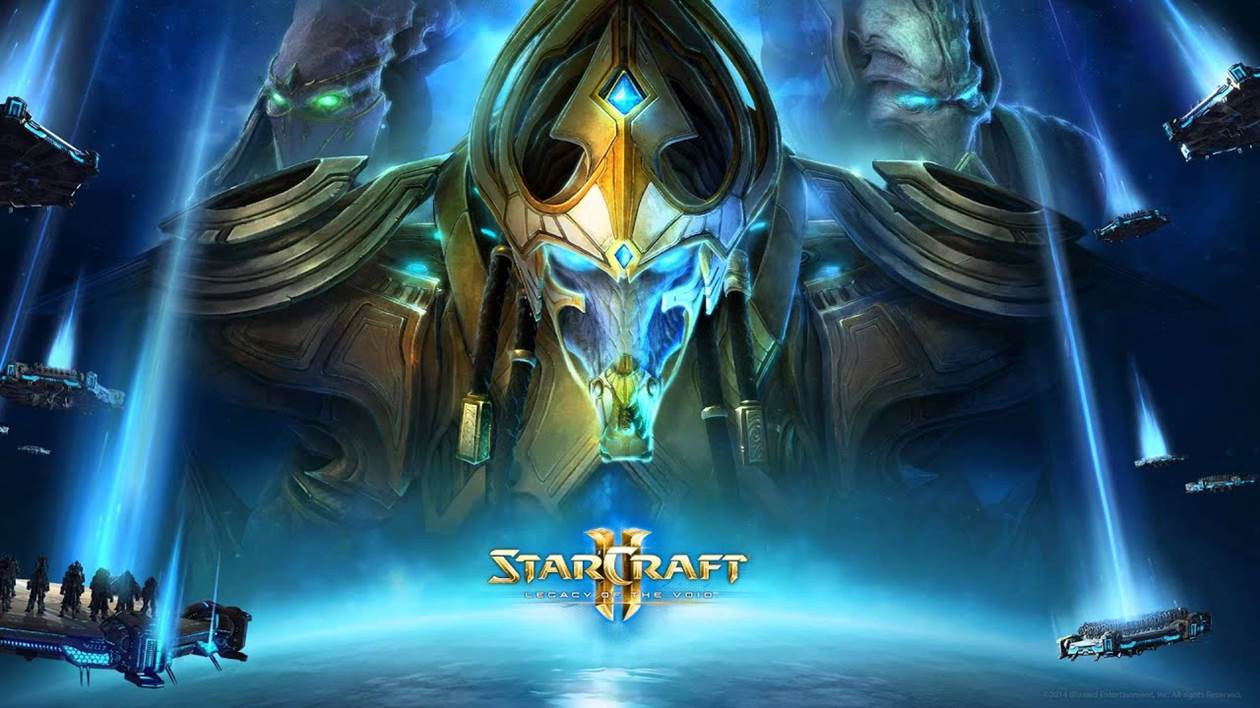
Starcraft 2 : Legacy of the Void
- Localization
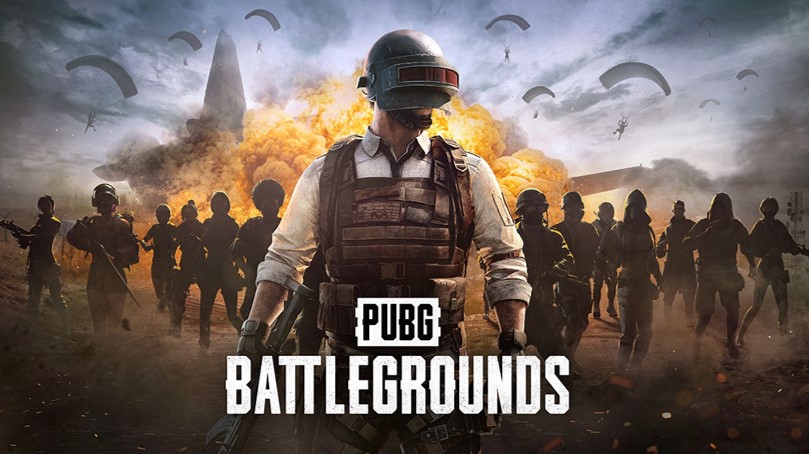
PUBG PC & Console
- QA
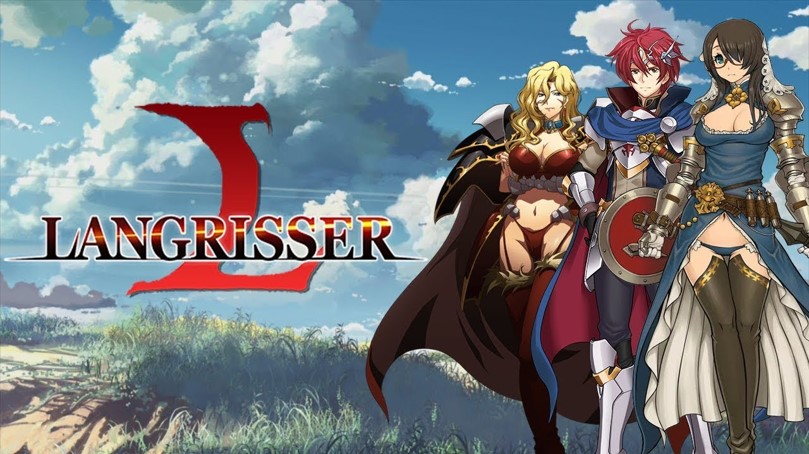
Langrisser
- Localization
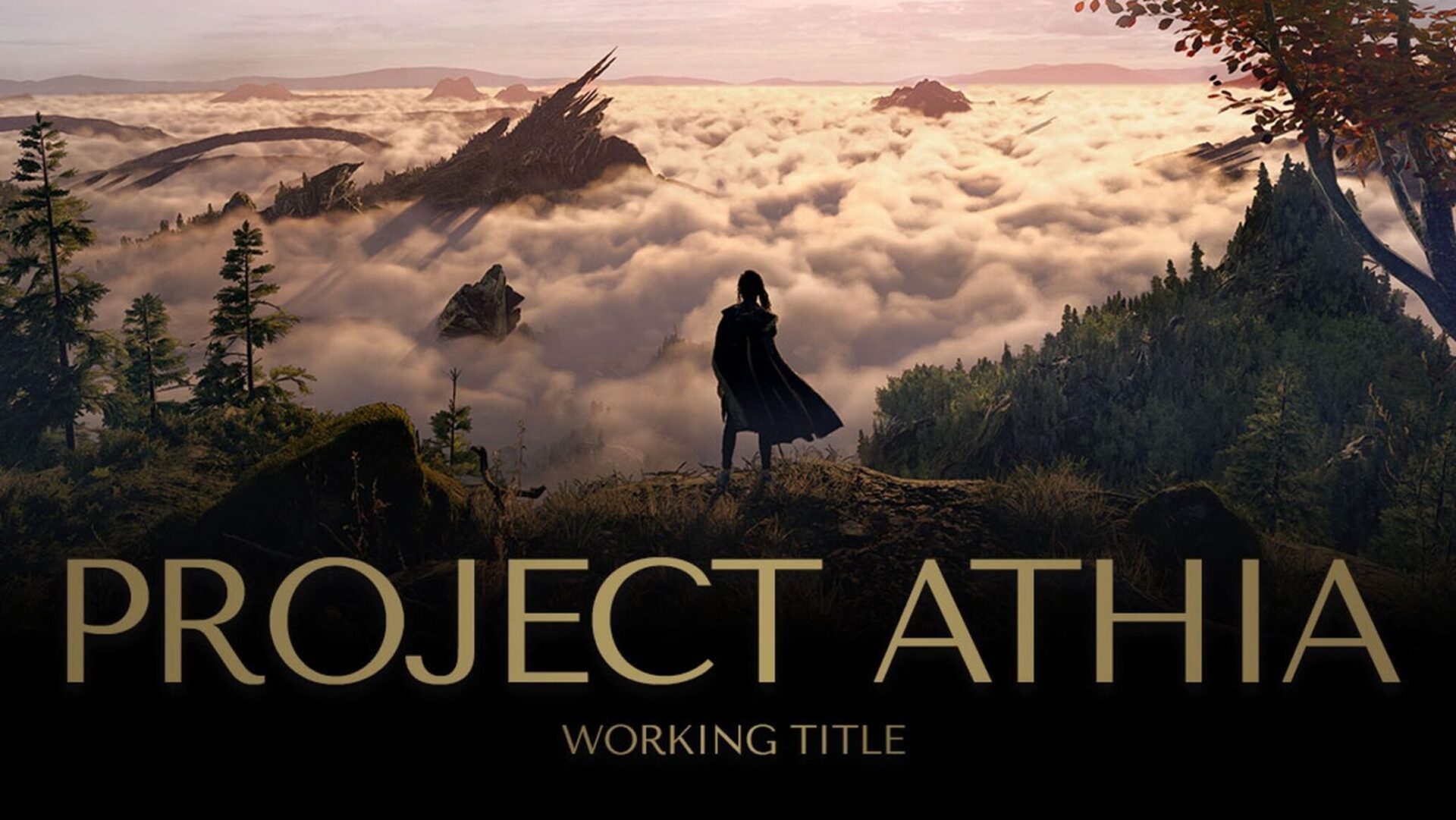
Project Athia
- QA
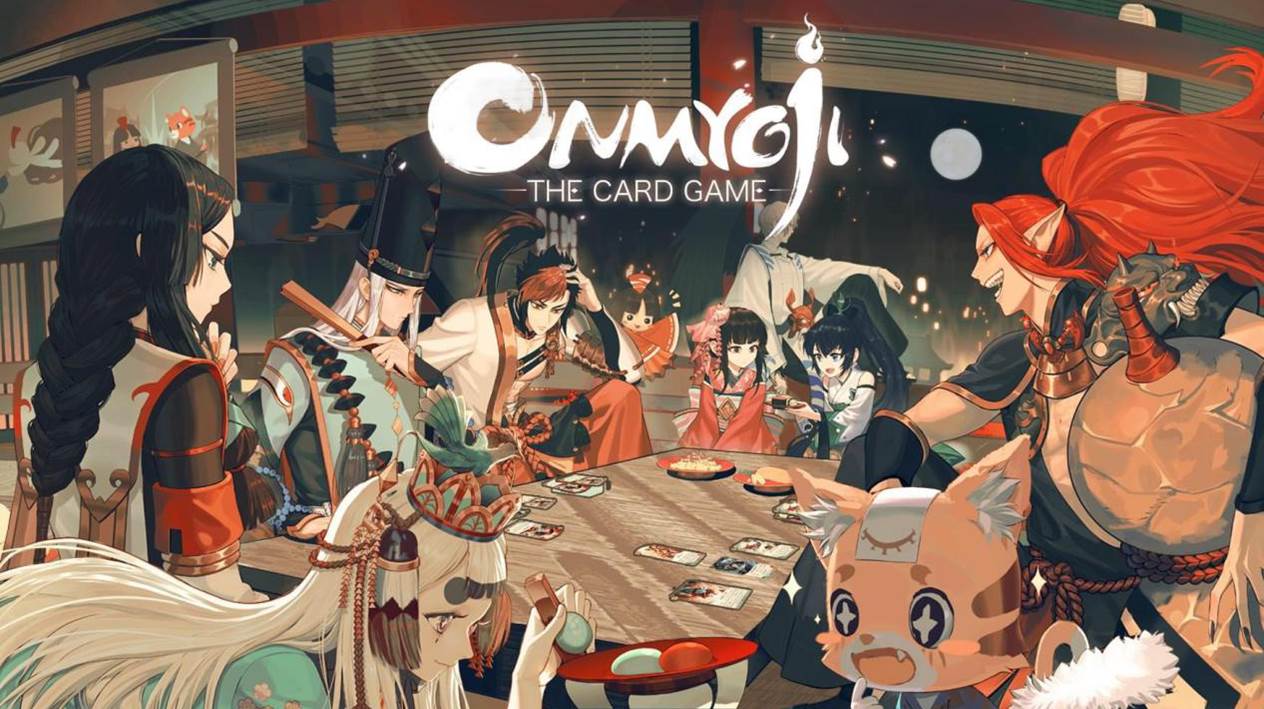
Onmyoji
- Localization

Need for Speed: Most Wanted
- Localization
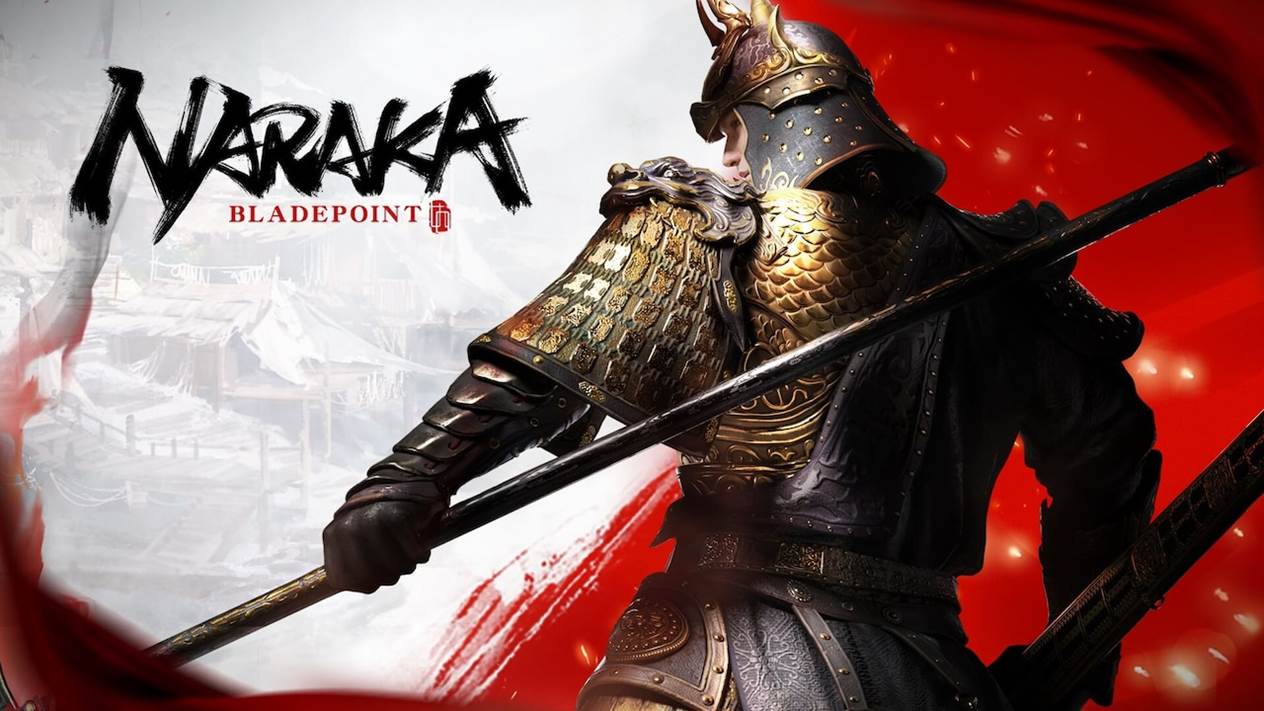
Naraka Bladepoint
- Localization, Sound
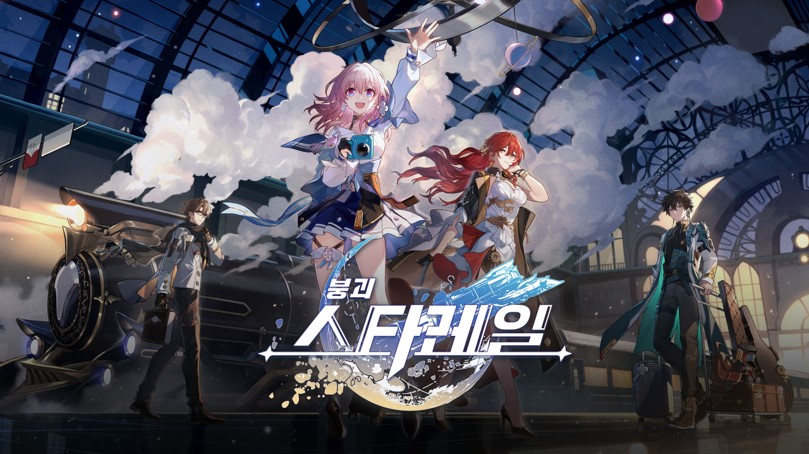
Honkai: Star Rail
- Localization
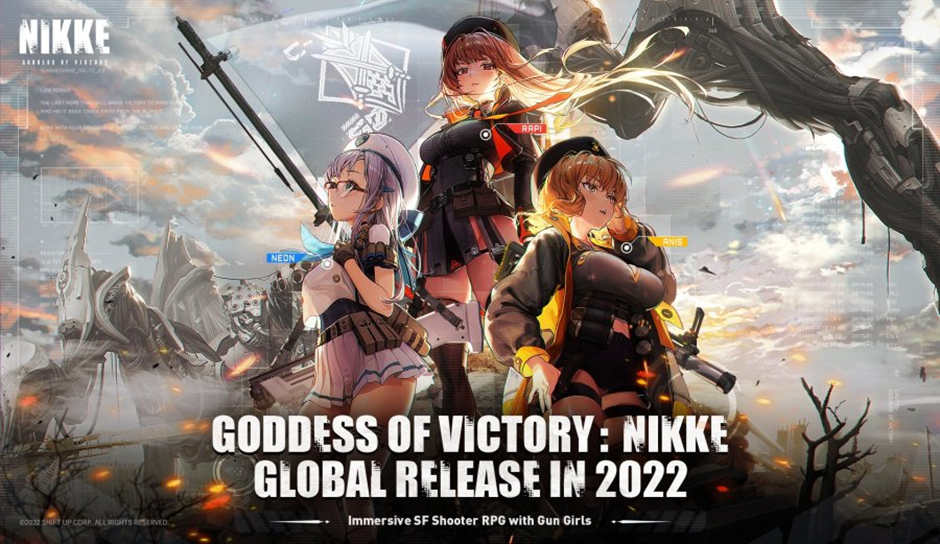
Goddess of Victory: Nikke
- Player Support
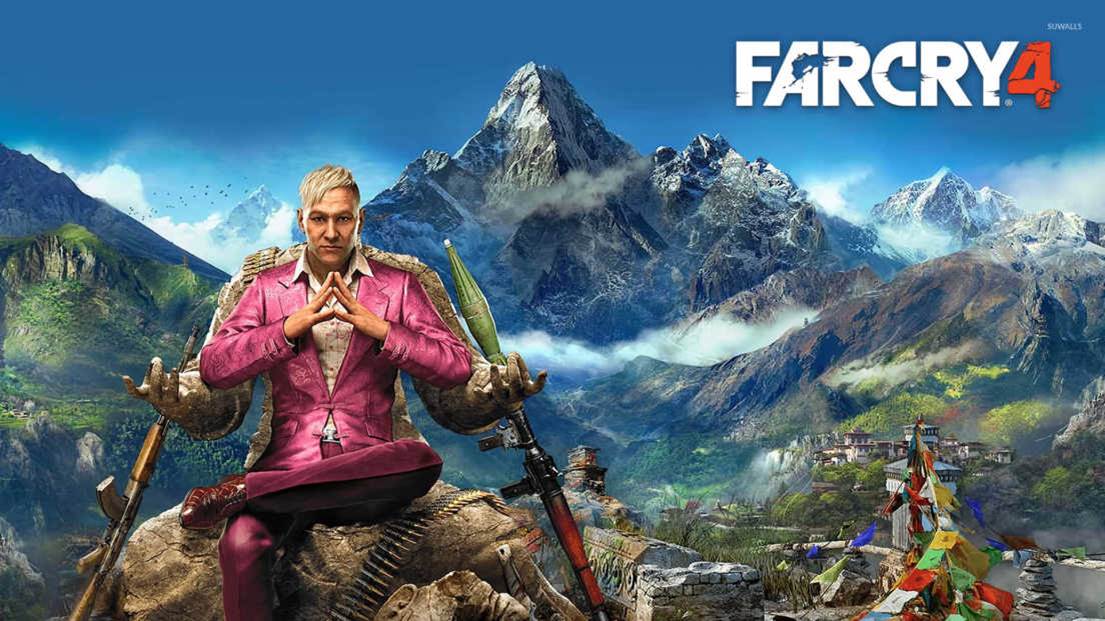
FAR CRY 4
- Localization
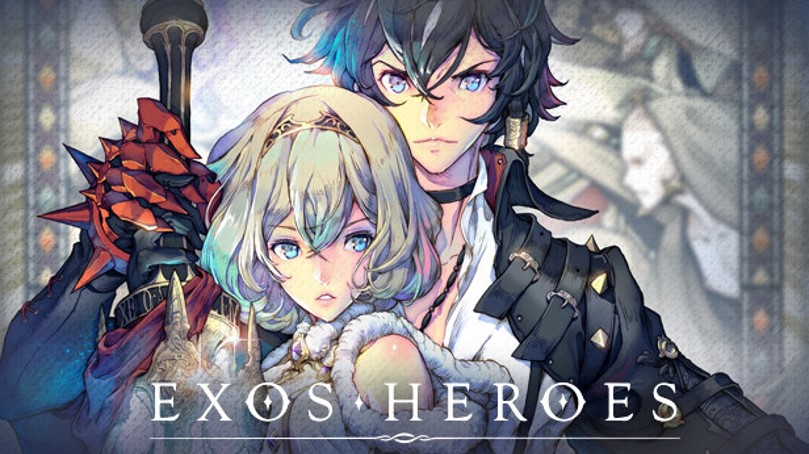
EXOS HEROES
- Player Support
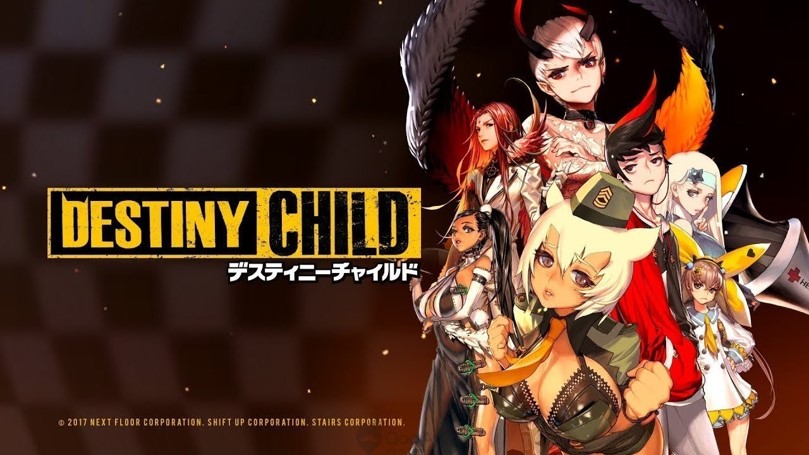
Destiny Child
- Player Support
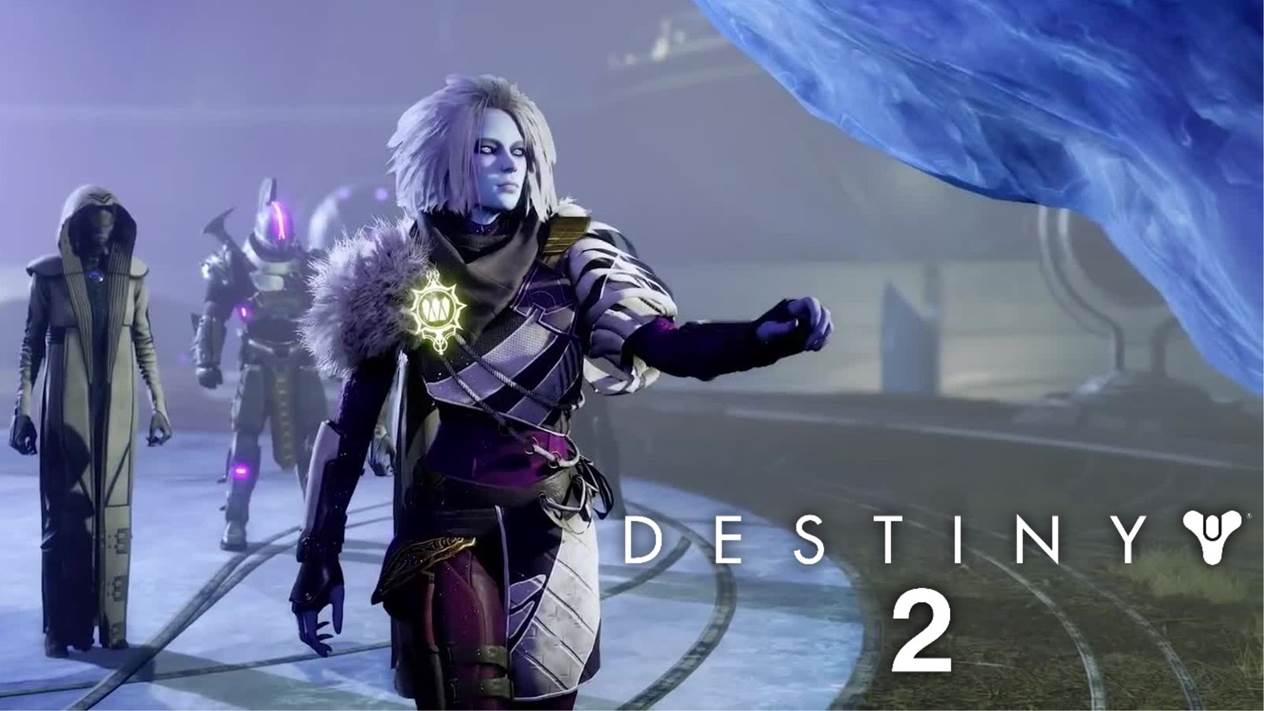
Destiny 2
- Localization
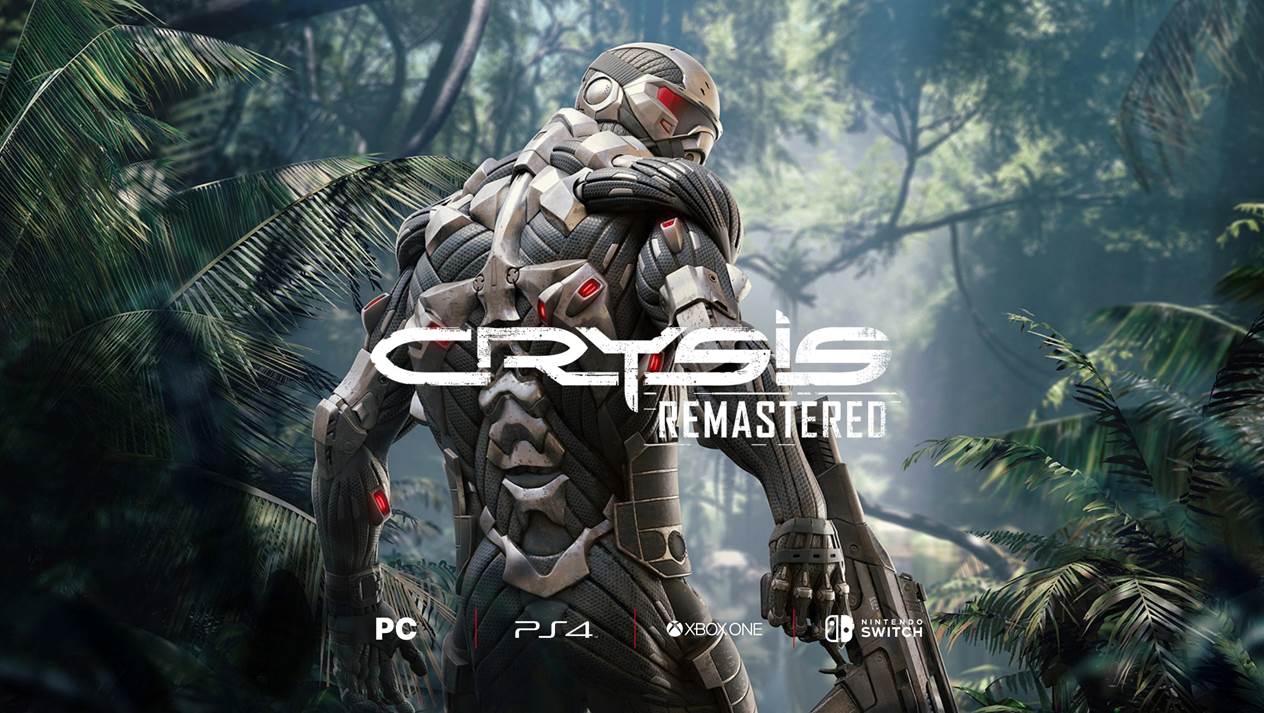
Crysis
- Localization
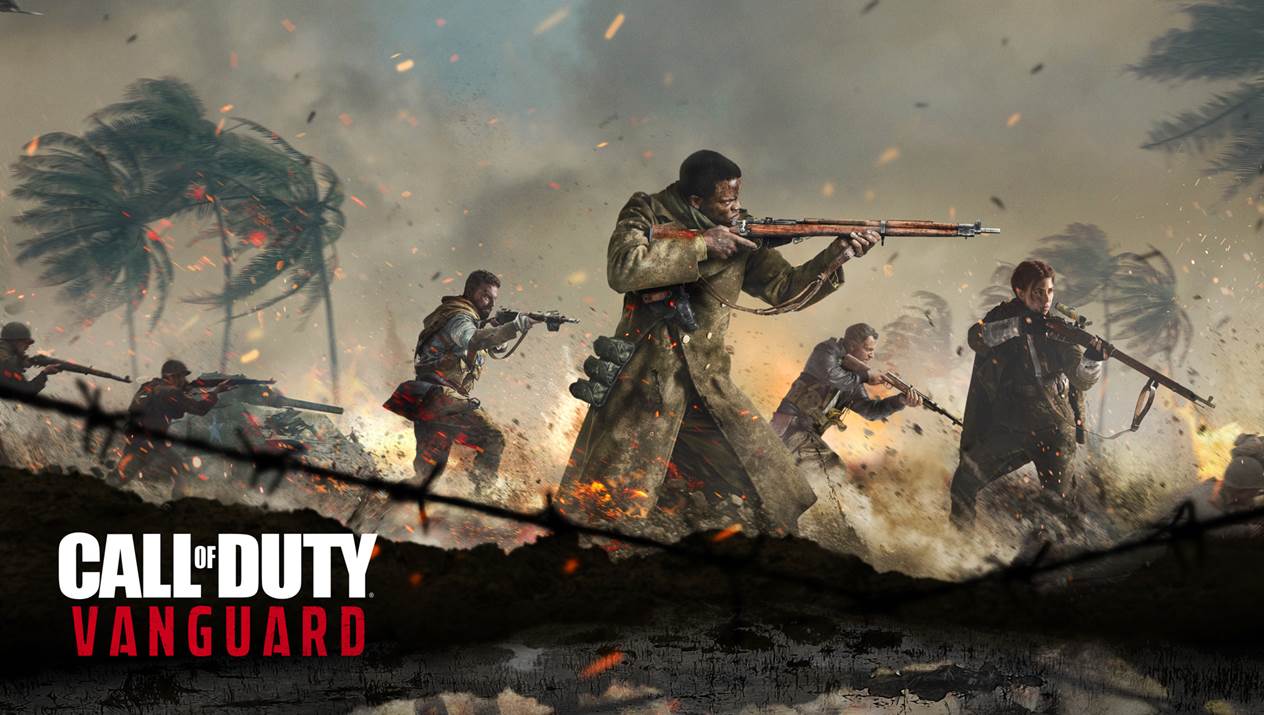
Call of Duty: Vanguard
- Localization
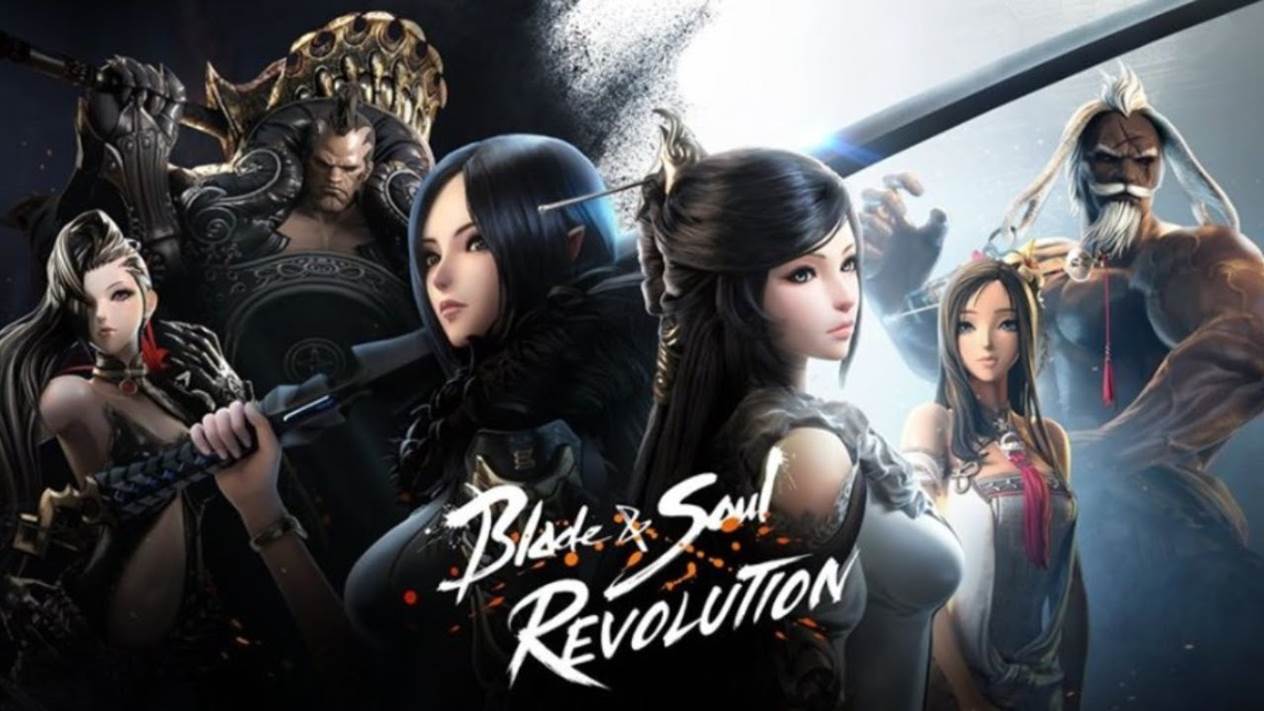
Blade & Soul Revolution
- Localization
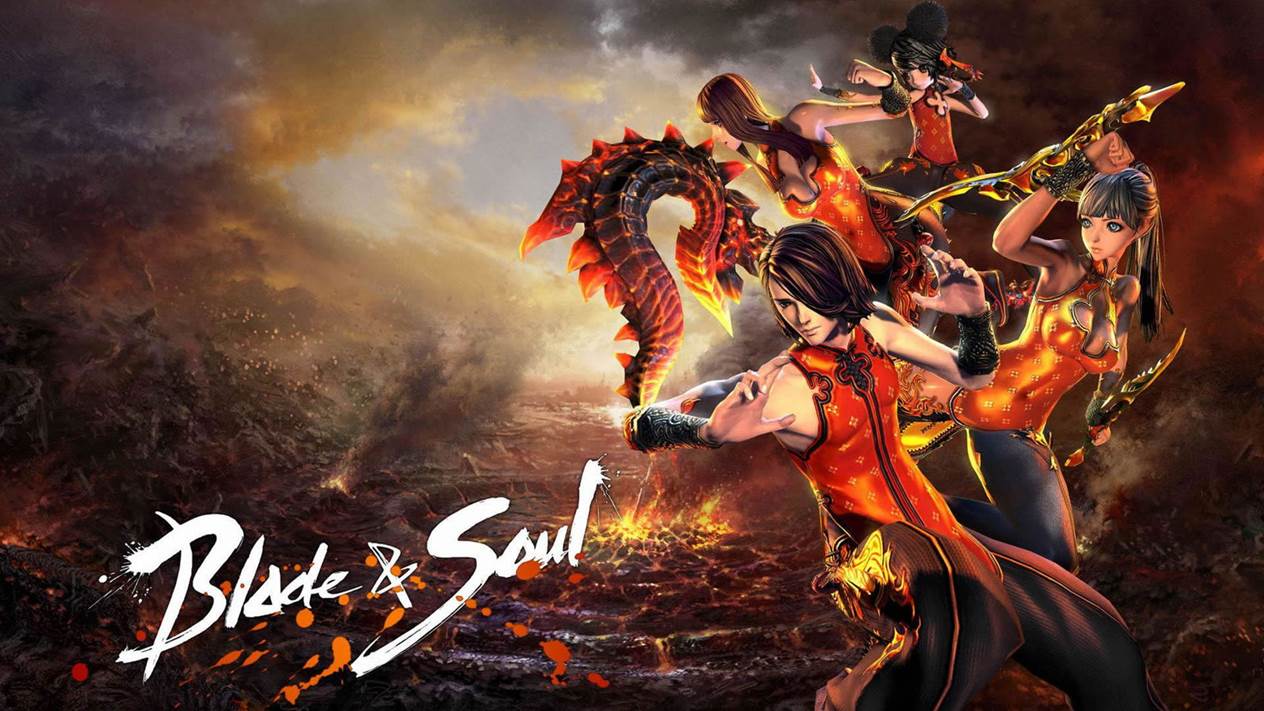
Blade & Soul
- Localization, QA
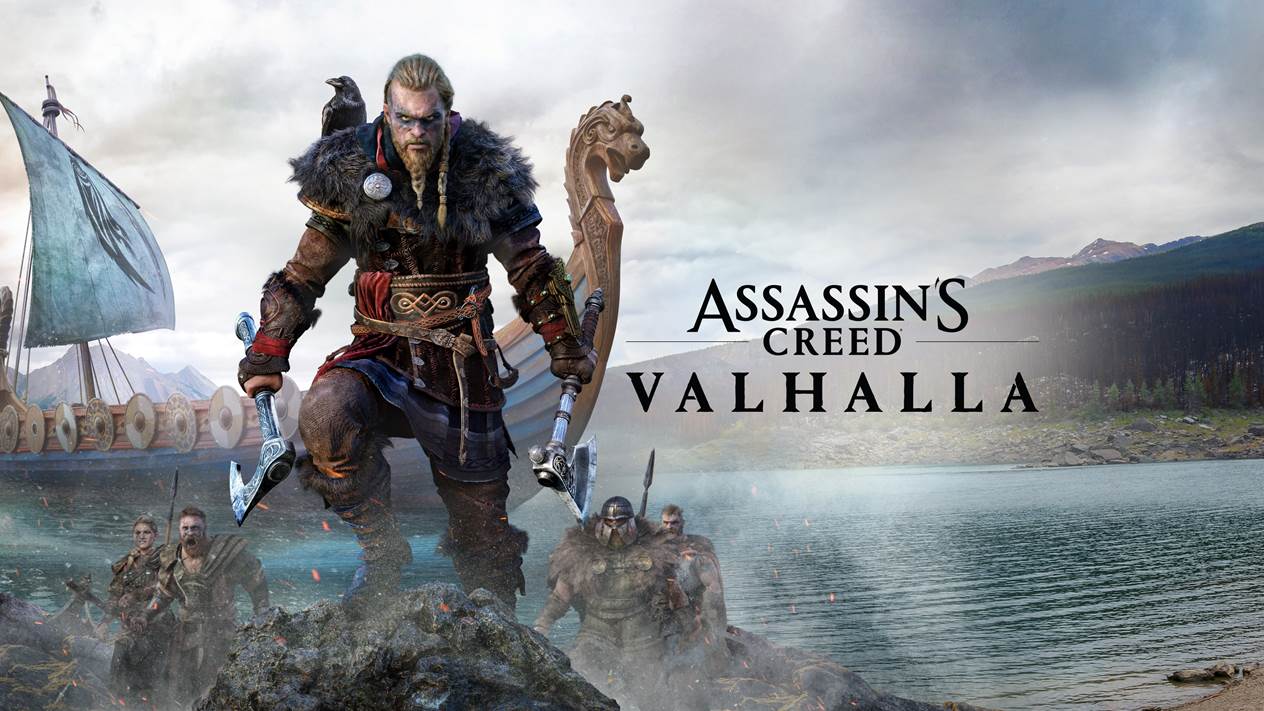
ASSASSINS CREED : VALHALLA
- Localization, QA
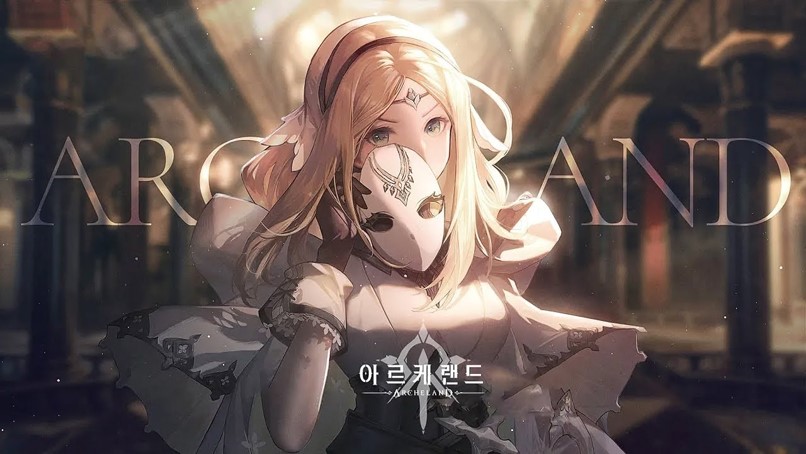
Archeland
- Localization
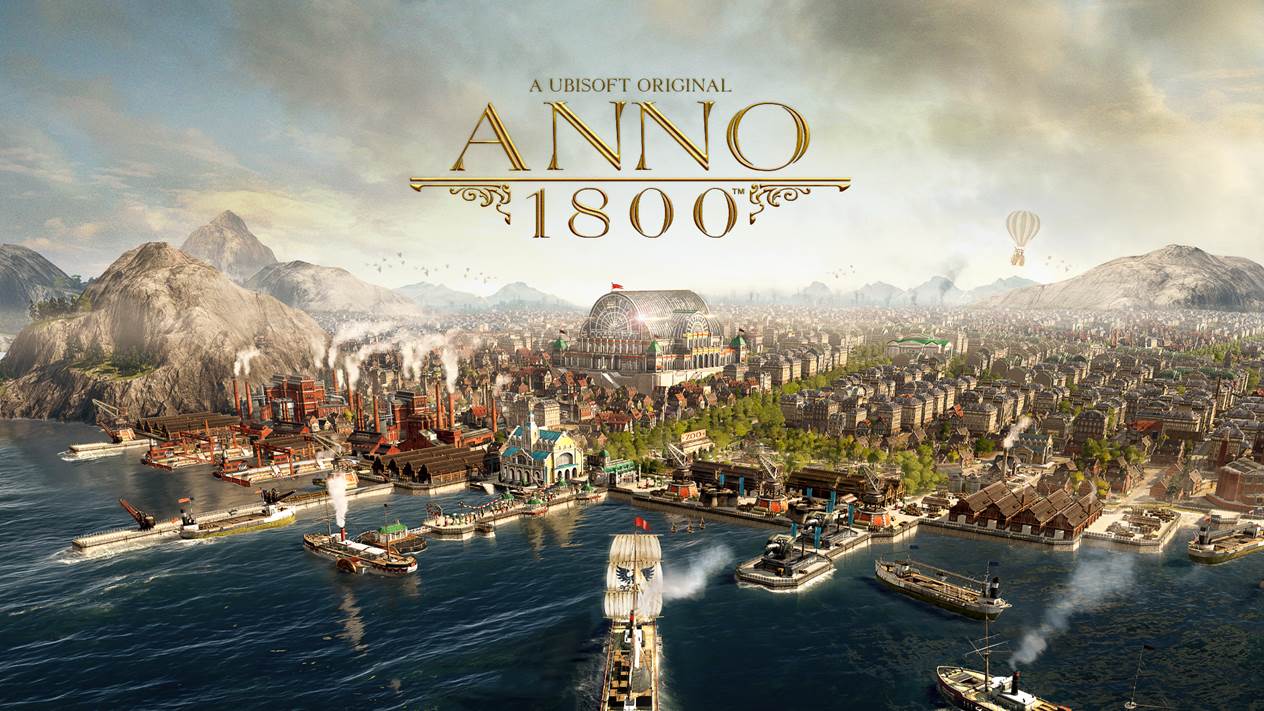
ANNO 1800
- Localization, LQA
Kampers
- Localization
Assassin’s Creed Shadows
- Localization
The Rogue Prince of Persia
- Localization
Anno 117: Pax Romana
- Localization
Who’s at the Door
- Localization
Ni no Kuni: Cross Worlds
- Localization, LQA
RAVEN 2
- Localization, LQA
The King of Fighters ALL STAR
- Localization
King Arthur: Legend Rises
- Localization
Tower of God: New World
- Localization, LQA
Blade & Soul Revolution
- Localization
Duet Night Abyss
- Localization
Legend of Avatar
- Localization
Kardmi
- Localization
Trickcal: Chibi Go
- Localization
GENESIS2
- Localization
Hero’s Gambit
- Localization
Crystal of Atlan
- Localization, LQA
The Legend of Heroes: Gagharv Trilogy
- Localization
STRINOVA
- Localization, LQA
Merge Restyle
- Localization
GearPaw Defenders!
- Localization
Pull Pull Pull Heroes
- Localization
DAVE THE DIVER
- Localization
ARC Raiders
- Localization
THE FINALS
- Localization
The First Descendant
- Localization, LQA
Brick Inc. Idle Breaker
- Localization
Snowbreak: Containment Zone
- Localization, LQA, Sound
Heartopia
- Localization
Fellow Moon
- Localization, LQA, Sound
SEGA FOOTBALL CLUB CHAMPIONS 2026
- Localization, Player Support
A3: STILL ALIVE
- Localization
World of Warcraft
- Localization
Watchdog: Legion
- Localization, LQA
TRAHA
- Localization, LQA, Player Support
TOWER OF FANTASY
- Localization, LQA, Sound
Tom Clancy’s The Division 2
- Localization
Throne and Liberty
- Localization, QA
THE WALKING DEAD
- Localization
Starcraft 2 : Legacy of the Void
- Localization
Langrisser
- Localization
Onmyoji
- Localization
Need for Speed: Most Wanted
- Localization
Naraka Bladepoint
- Localization, Sound
Honkai: Star Rail
- Localization
FAR CRY 4
- Localization
Destiny 2
- Localization
Crysis
- Localization
Call of Duty: Vanguard
- Localization
Blade & Soul Revolution
- Localization
Blade & Soul
- Localization, QA
ASSASSINS CREED : VALHALLA
- Localization, QA
Archeland
- Localization
ANNO 1800
- Localization, LQA
Lineage 2: Revolution
- LQA
BrownDust2
- LQA
Blue Protocol: Star Resonance
- LQA
Total Football
- LQA, Marketing
Ni no Kuni: Cross Worlds
- Localization, LQA
RAVEN 2
- Localization, LQA
Tower of God: New World
- Localization, LQA
Crystal of Atlan
- Localization, LQA
STRINOVA
- Localization, LQA
The First Descendant
- Localization, LQA
Snowbreak: Containment Zone
- Localization, LQA, Sound
Fellow Moon
- Localization, LQA, Sound
Watchdog: Legion
- Localization, LQA
TRAHA
- Localization, LQA, Player Support
TOWER OF FANTASY
- Localization, LQA, Sound
ANNO 1800
- Localization, LQA
Abyss Of Dungeons
- Player Support
Dinkum
- Player Support
inZOI
- Player Support
PUBG MOBILE
- Player Support
PUBG: BATTLEGROUNDS
- Player Support
Total Football 25/26
- Player Support
SEGA FOOTBALL CLUB CHAMPIONS 2026
- Localization, Player Support
Jujutsu Kaisen Phantom Parade
- Marketing, Player Support
SD Gundam G Generation ETERNAL
- Player Support
Idle Demon King
- Player Support
Archer Forest : Idle Defense
- Player Support
Cats & Mine
- Player Support
Another Dungeon
- Player Support
Cat Hero
- Player Support
Party Pop Bubblyz
- Player Support
ROM: Golden Age
- Player Support
League of Puzzle
- Marketing, Player Support
StarSavior
- Player Support, QA
World League Baseball
- Player Support
Super Baseball League
- Player Support
Homerun Clash
- Player Support
EXTREME GOLF
- Player Support
OVERDOX
- Player Support
Demian Saga
- Player Support
Play Together
- Player Support
용사님 돌았어요?
- Player Support
특급주술대전
- Player Support
Random Dice
- Player Support
LUCKY OFFENSE
- Player Support
협동 타워 디펜스 : 깐부와 함께
- Player Support
What the Luck?: Lucky Defense
- Player Support
TRAHA
- Localization, LQA, Player Support
Goddess of Victory: Nikke
- Player Support
EXOS HEROES
- Player Support
Destiny Child
- Player Support
Cocobi World
- QA
SEGA FOOTBALL CLUB CHAMPIONS 2026
- QA
StarSavior
- Player Support, QA
Throne and Liberty
- Localization, QA
PUBG PC & Console
- QA
Project Athia
- QA
Blade & Soul
- Localization, QA
ASSASSINS CREED : VALHALLA
- Localization, QA
TEN CHI GOU
- Sound
Mecharashi
- Sound
Brawl Stars pv
- Sound
Geukmussang2
- Sound
Gray Haven : Witch’s Garden
- Sound
Snowbreak: Containment Zone
- Localization, LQA, Sound
Fellow Moon
- Localization, LQA, Sound
TOWER OF FANTASY
- Localization, LQA, Sound
Naraka Bladepoint
- Localization, Sound
DragonNest
- Marketing
Total Football
- LQA, Marketing
Jujutsu Kaisen Phantom Parade
- Marketing, Player Support
League of Puzzle
- Marketing, Player Support